16 Gorgeous Best Blow Dryer for Every Hair Type
- Difference Between Hair Dryer and Blow Dryer
- Hair Dryer Types
- Best for Fine, Thin Hair
- Best for Thick, Coarse Hair
- Best for Curly Hair
- Best for Wavy Hair
- Best for Straight Hair
- Best for Damaged or Overprocessed Hair
- Best for Color Treated Hair
- Best for Frizzy Hair
- Best for Short Hair
- Best Travel Friendly Option
- Best High Heat Option for Fast Drying
- Best Quiet Option
- Best Budget Friendly Pick
- Best Splurge Worthy Investment
- How to Pick the Right Wattage
- Attachments Worth Having
- Tips for Reducing Heat Damage
16 Gorgeous Best Blow Dryer for Every Hair Type
Let’s be honest, most of us have been using the same blow dryer since college, and it’s probably doing more damage than good at this point. Finding the right one for your specific hair type can genuinely change how your hair looks and feels day to day. I’ve spent way too many hours testing dryers, reading reviews, and asking my stylist friends what they actually recommend, so let’s get into it.
Difference Between Hair Dryer and Blow Dryer
People use these terms interchangeably, and honestly, that’s fine because they mean the same thing. A hair dryer and a blow dryer are both the handheld device that pushes heated air through your strands to speed up drying time. The only real difference comes down to region and generation, some folks just grew up calling it one or the other.
Hair Dryer Types
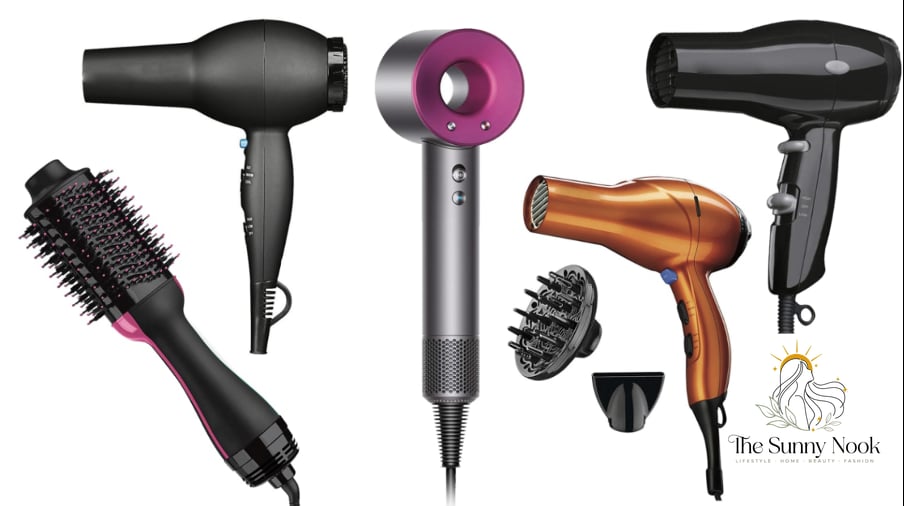
Not all dryers work the same way, and the type matters more than the brand name on the box. You’ve got ionic dryers that use charged particles to break down water molecules faster, ceramic dryers that distribute heat evenly to avoid hot spots, tourmaline dryers that add extra shine and reduce frizz, and infrared dryers that heat the hair from within rather than just blasting the surface. Knowing which category a dryer falls into tells you a lot about how it’ll treat your specific texture.
Best for Fine, Thin Hair
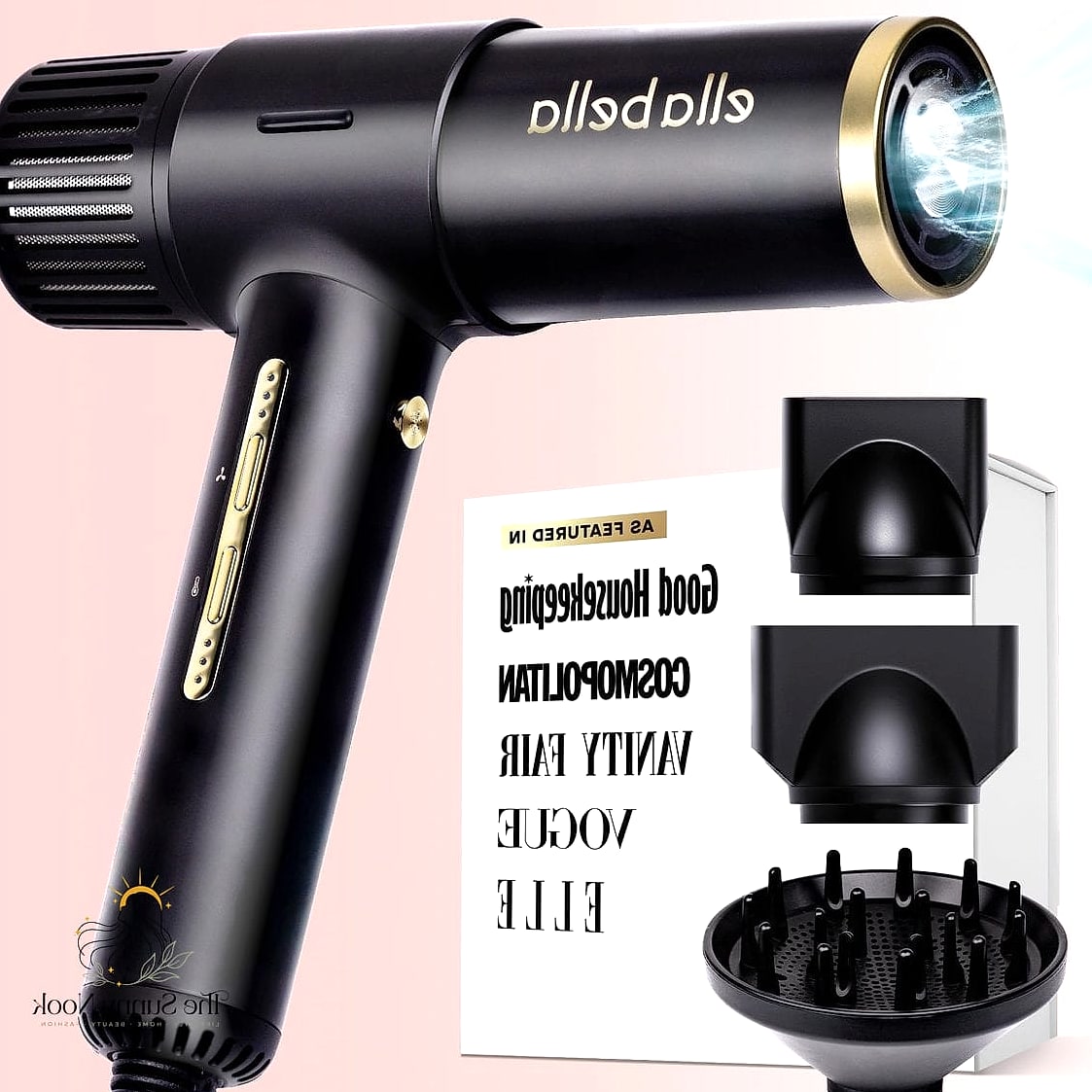
If your hair is on the finer side, you want something lightweight that won’t drag your strands down while you’re styling. Look for a dryer with a low heat and low speed setting so you can add volume at the roots without frying what little thickness you have. A concentrator nozzle helps direct airflow precisely, which means less flyaway chaos and more control near your crown.
Best for Thick, Coarse Hair
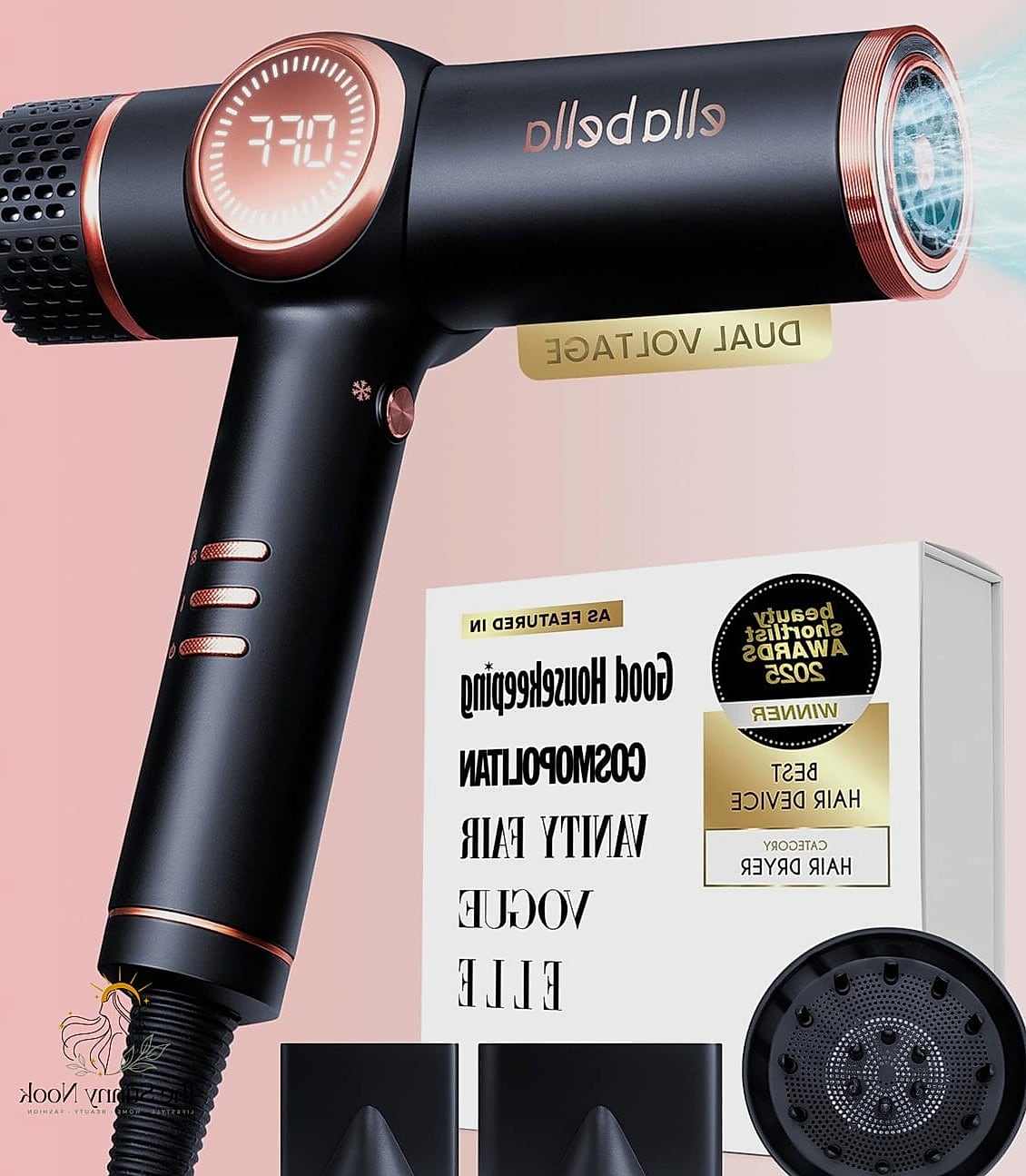
Thick hair needs serious power behind it, or you’ll be standing there for forty minutes getting nowhere. A dryer with a strong motor and multiple heat settings lets you blast through the bulk of the moisture first, then dial things down for the finishing touches. Ceramic and tourmaline technology really shines here since it helps smooth down all that natural texture instead of puffing it out.
Best for Curly Hair
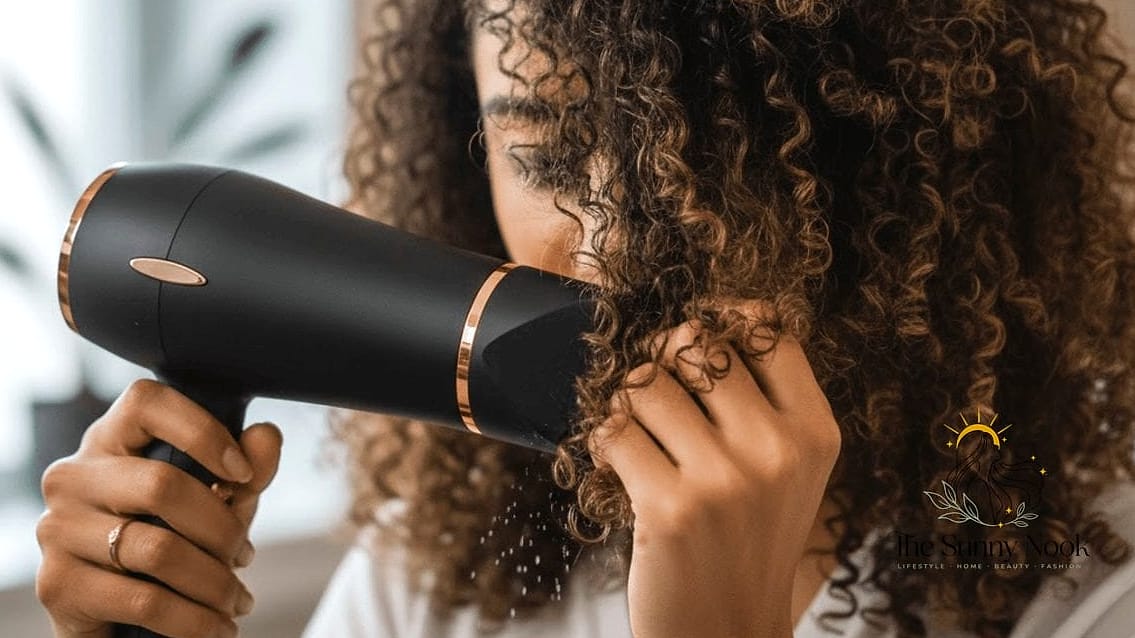
Curly girls know the struggle of trying to dry curls without turning them into a frizzy halo. A diffuser attachment is basically non-negotiable here since it disperses air gently and encourages your natural curl pattern to clump together instead of separating into fuzz. Lower heat with a cool shot function at the end locks in the shape and adds a bit of glossy definition.
Best for Wavy Hair

Wavy hair sits in this in-between zone where too much heat can straighten it out, but not enough leaves it looking flat and undefined. A diffuser still helps, though you can usually get away with slightly higher airflow than curly hair needs. Scrunching sections while diffusing brings out those soft, beachy waves without much extra effort.
Best for Straight Hair
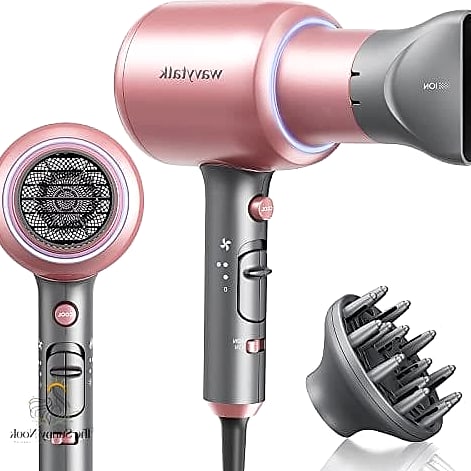
Straight hair tends to dry faster than other textures, so a dryer with a good concentrator nozzle for smoothing is your best friend. High heat combined with a round brush gives you that sleek, glossy finish people pay good money for at the salon. Just don’t skip the cool shot at the end, it seals the cuticle and locks in the shine.
Best for Damaged or Overprocessed Hair

If your hair has seen better days from color, bleach, or too many heat styling sessions, gentleness needs to be the priority. Infrared dryers work well here because they heat hair from the inside out, meaning less direct surface damage over time. Pairing that with a heat protectant spray and a lower temperature setting gives your strands a fighting chance to recover.
Best for Color Treated Hair
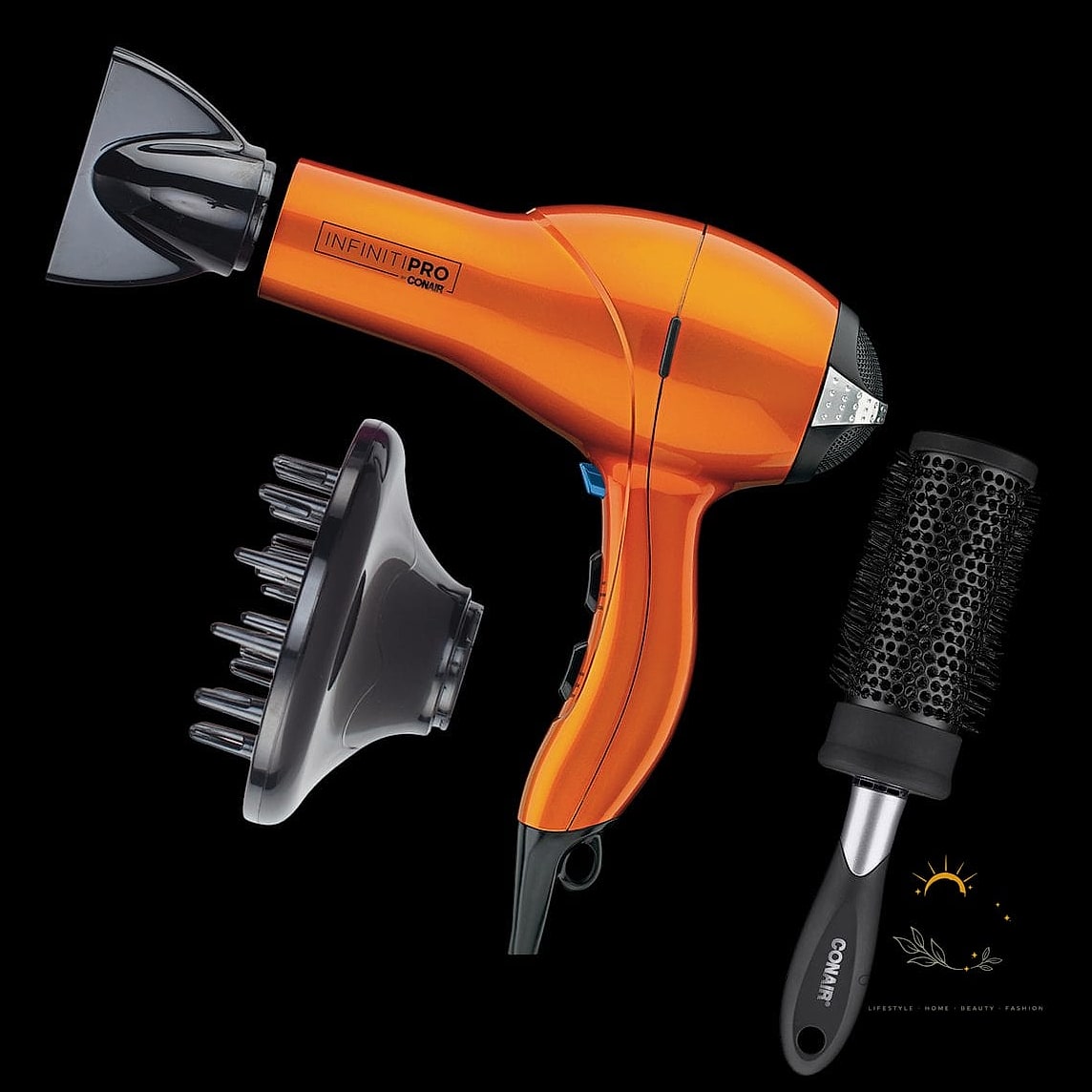
Keeping your color vibrant means avoiding excessive heat that fades pigment faster than it should. A dryer with adjustable heat settings lets you stay on the cooler side most of the time, saving high heat only for when you really need to speed things up. Tourmaline technology also adds a nice glossy finish that makes color treated hair look extra rich and dimensional.
Best for Frizzy Hair
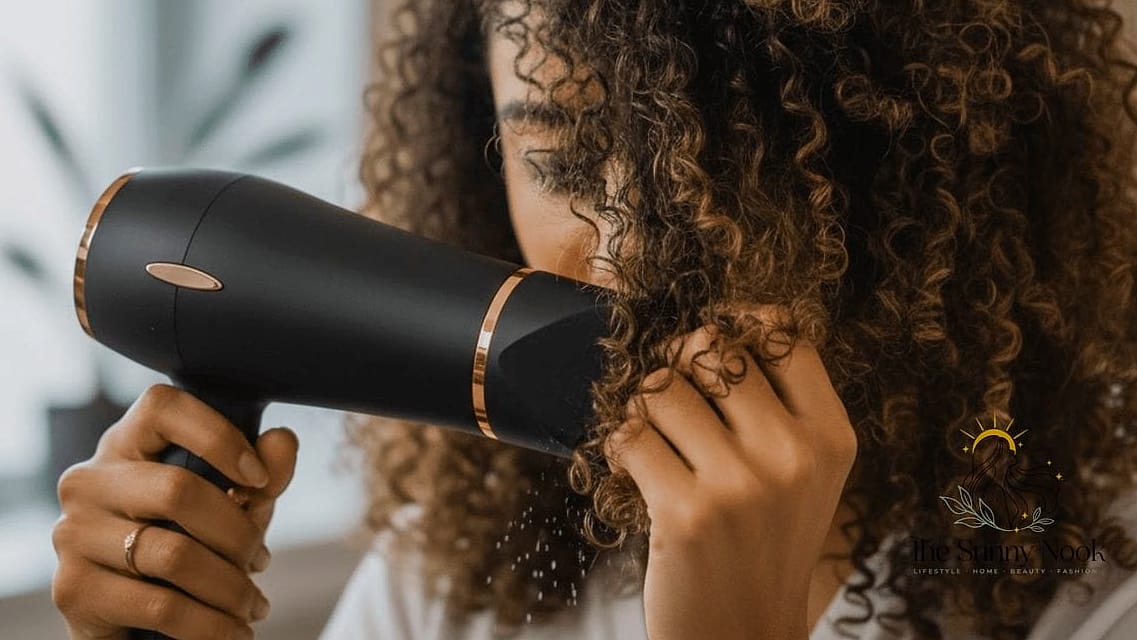
Frizz usually means your cuticle is raised and grabbing moisture from the air, so smoothing that down is the whole game. Ionic dryers are particularly good at this since the charged particles help flatten the cuticle as your hair dries. Finishing with a boar bristle brush and a smoothing serum locks everything into place for hours.
Best for Short Hair
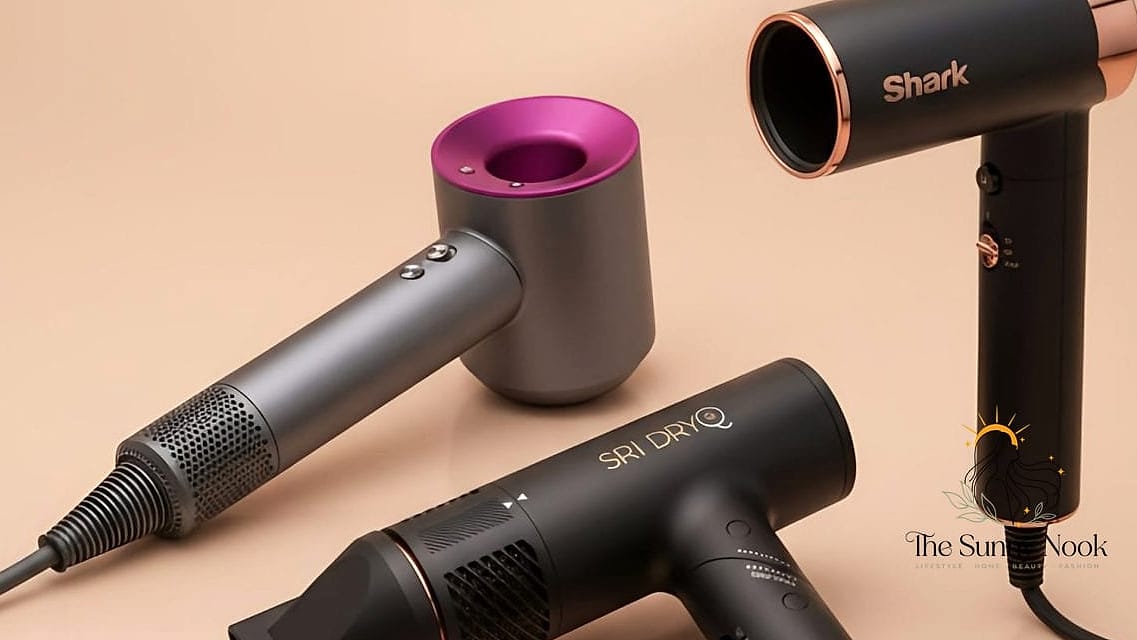
Short cuts dry fast, which means you don’t need the biggest, most powerful dryer on the market. A compact, lightweight option with a narrow concentrator nozzle gives you precise control for texturizing pixies or tousled bobs. Honestly, this is where you can splurge on a stylish design since function is less demanding.
Best Travel Friendly Option
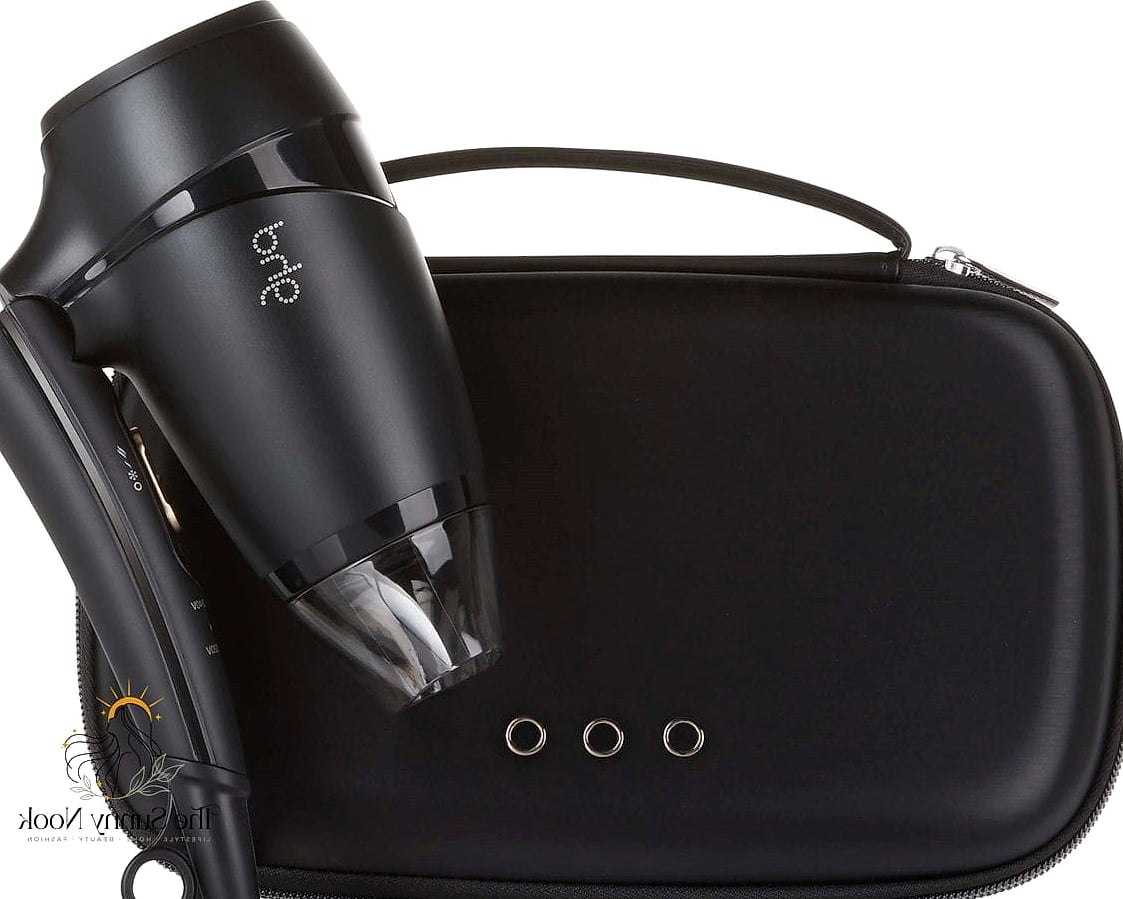
Nobody wants to lug around a heavy dryer when they’re hopping on a plane, so a dual voltage travel dryer is worth having in your bag. These are usually smaller and lighter but still pack enough heat to get the job done in a hotel bathroom. Folding handles make them easy to tuck into a suitcase without taking up much space.
Best High Heat Option for Fast Drying
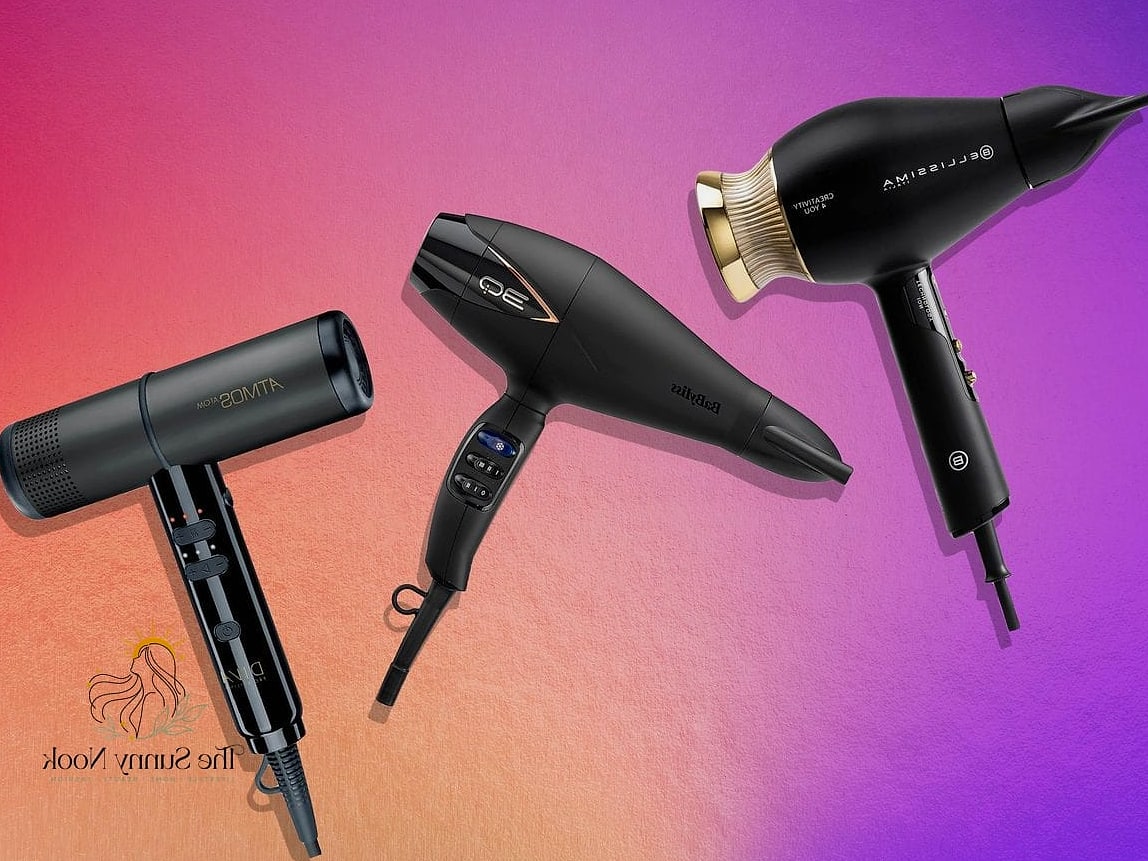
Some mornings you just don’t have twenty minutes to spare, and that’s where a high wattage dryer earns its keep. Anything above 1800 watts tends to cut drying time significantly, especially on thicker or longer hair. Just remember to keep it moving and never linger too long on one section to avoid heat damage.
Best Quiet Option
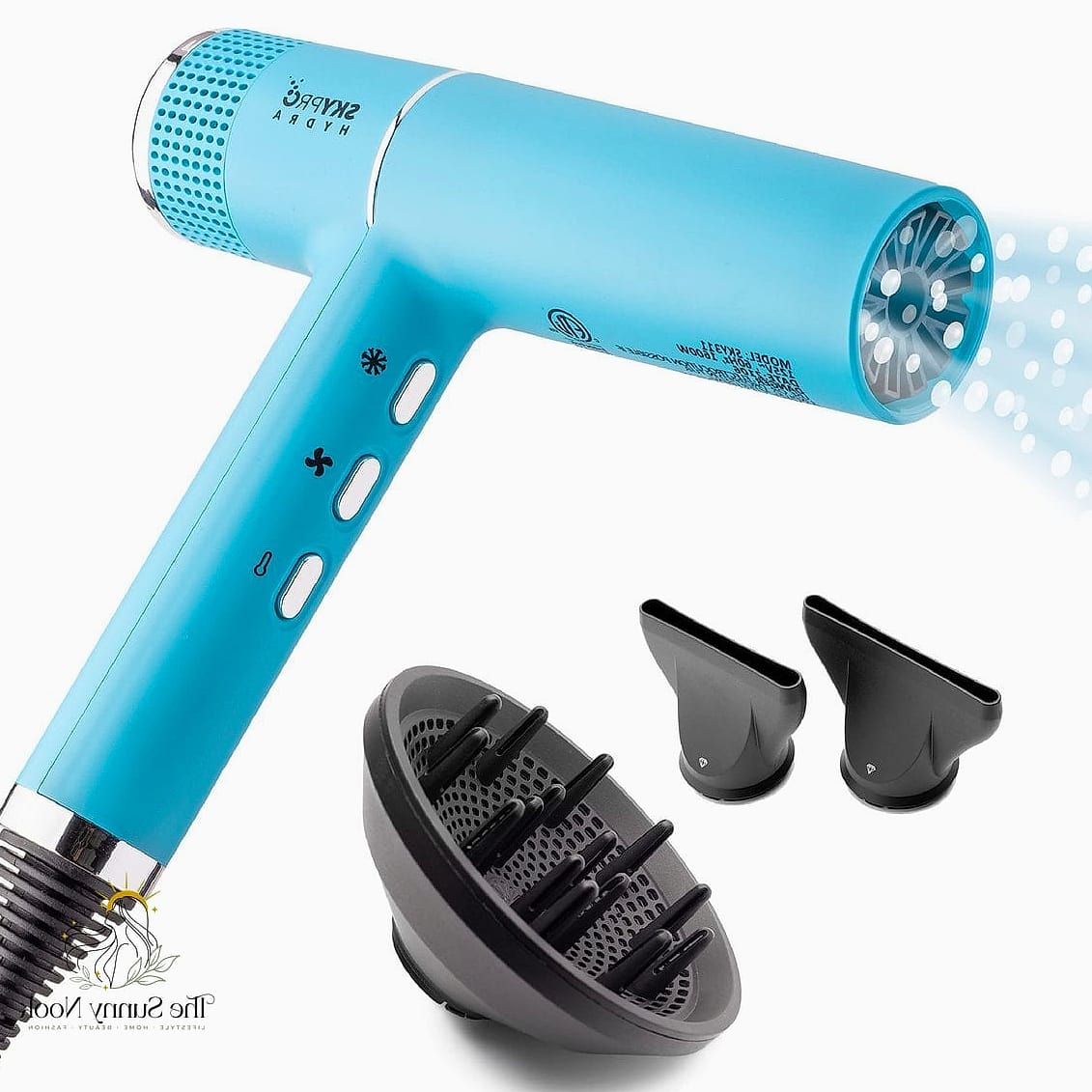
If you’ve got a household that’s still asleep when you’re getting ready, a quieter dryer can be a genuine relief. Newer motor designs have gotten a lot better at reducing that jet engine noise without sacrificing airflow strength. It’s a small feature that makes a surprisingly big difference in your morning routine.
Best Budget Friendly Pick
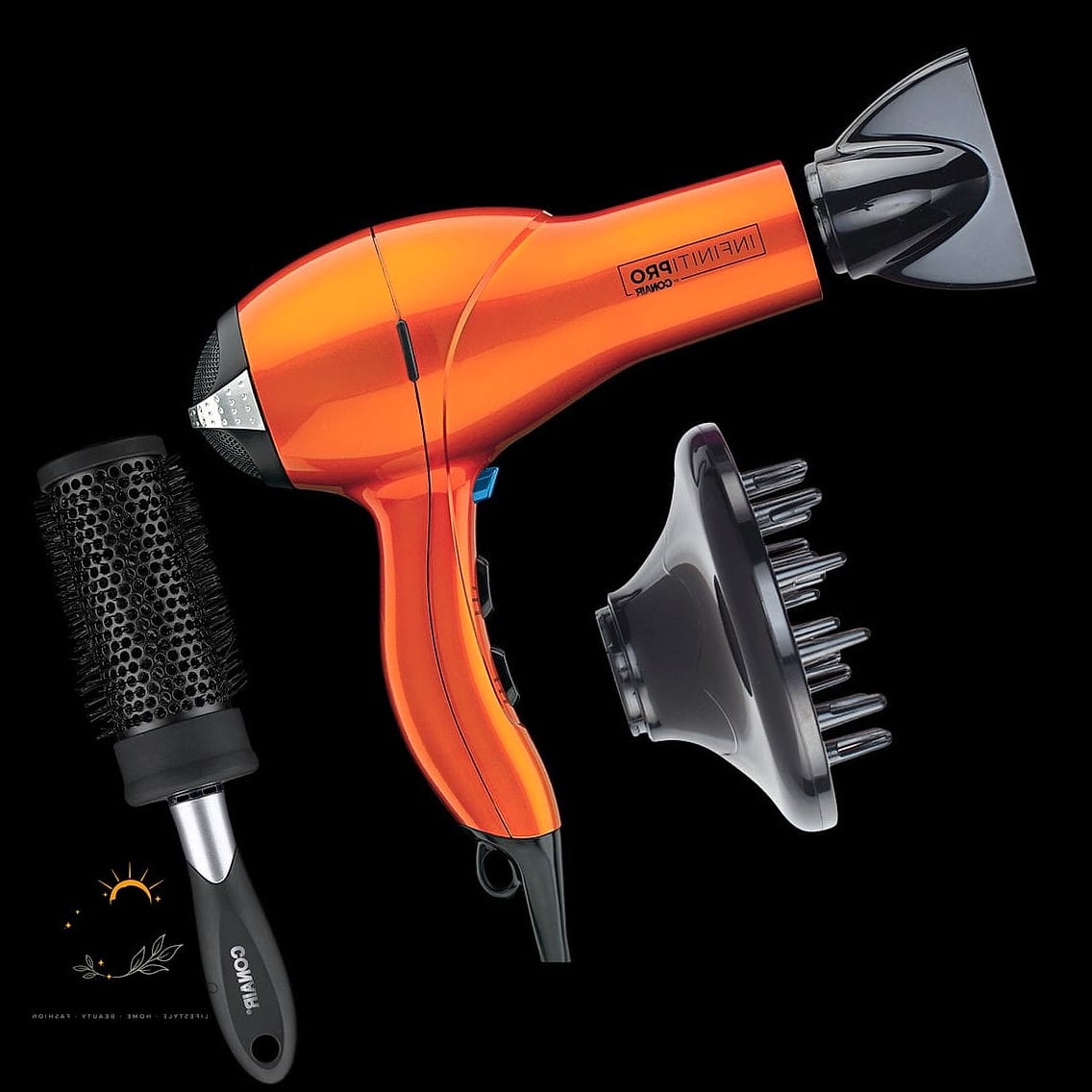
You really don’t need to spend a fortune to get decent results, and there are solid options at lower price points. Look for basic ionic technology and at least two heat and speed settings so you have some flexibility. It won’t have all the bells and whistles, but it’ll dry your hair evenly without breaking the bank.
Best Splurge Worthy Investment
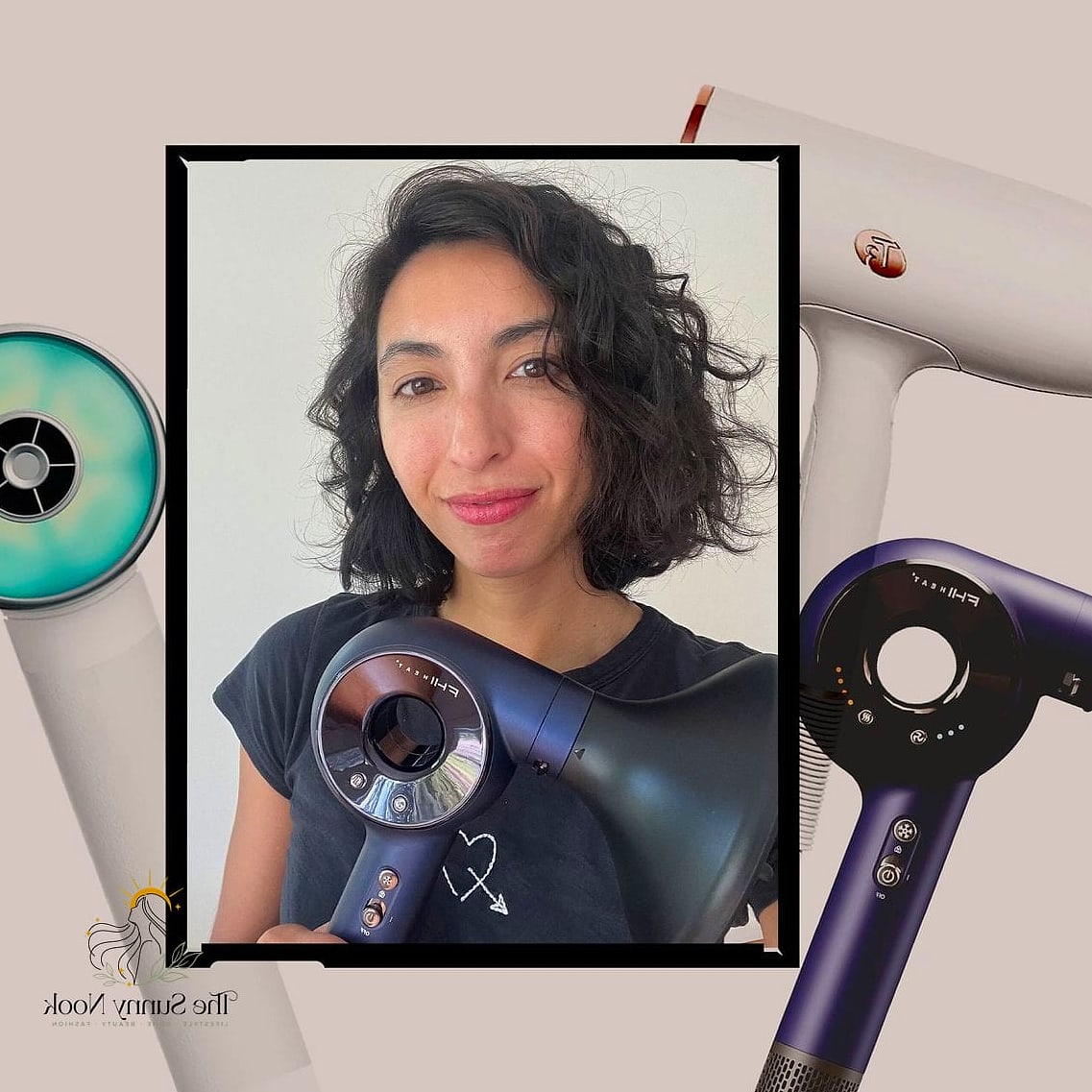
On the flip side, if you’re ready to invest in something premium, a higher end dryer often comes with smarter heat sensors that adjust automatically based on your hair’s moisture level. These tend to last years longer than budget models and genuinely cut down on frizz and damage over time. It’s the kind of purchase that pays for itself if you’re someone who blow dries daily.
How to Pick the Right Wattage
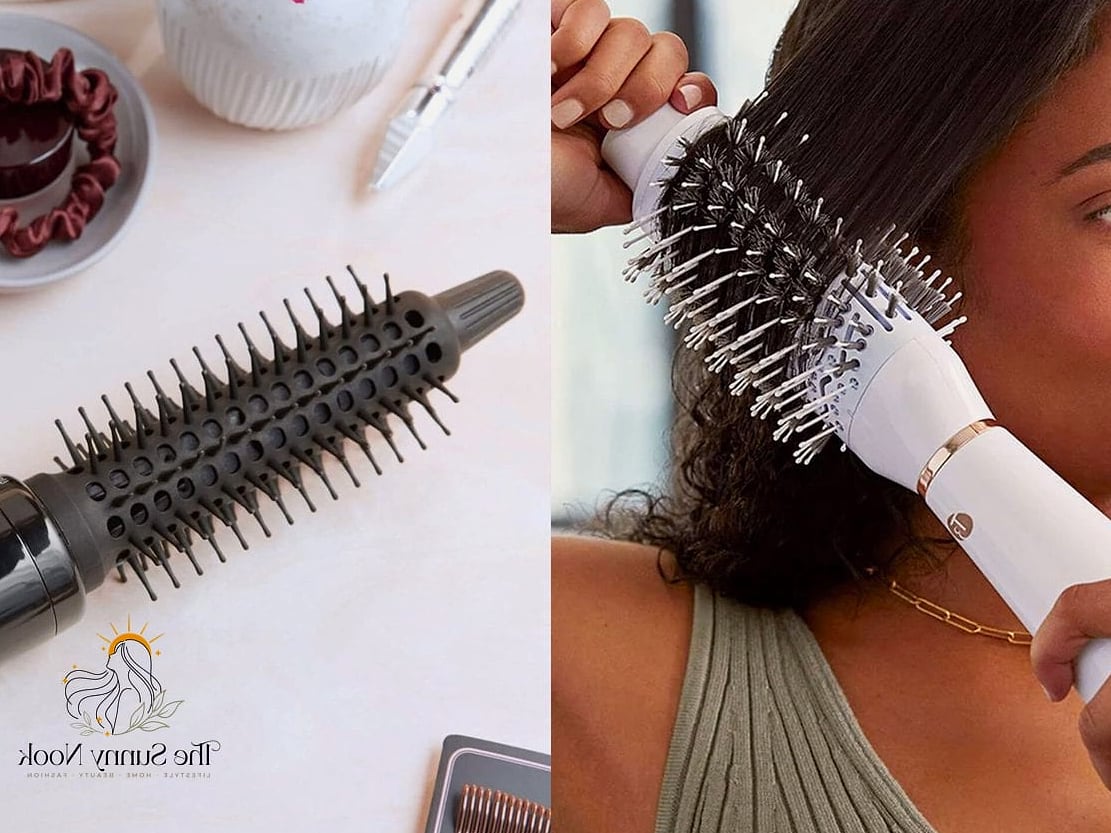
Wattage basically tells you how powerful the airflow is, and matching it to your hair type saves you time and frustration. Fine hair usually does fine with 1200 to 1500 watts, while thick or long hair benefits from something in the 1800 to 2000 watt range. Going too high on fine hair can actually cause more damage since you’re blasting delicate strands with more heat than they need.
Attachments Worth Having
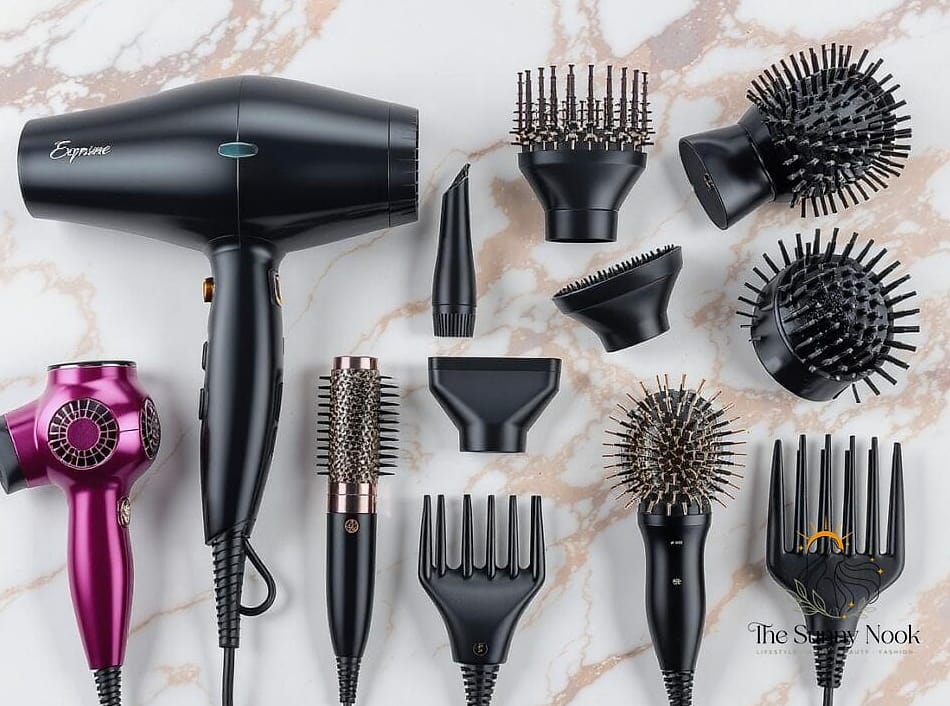
The dryer itself matters, but the attachments that come with it can change your whole styling game. A diffuser is essential for curly and wavy textures, while a concentrator nozzle gives straight and fine hair that sleek, directed airflow. Some higher end models even include a comb attachment, which helps detangle while drying if you’re someone who’s always in a rush.
Tips for Reducing Heat Damage
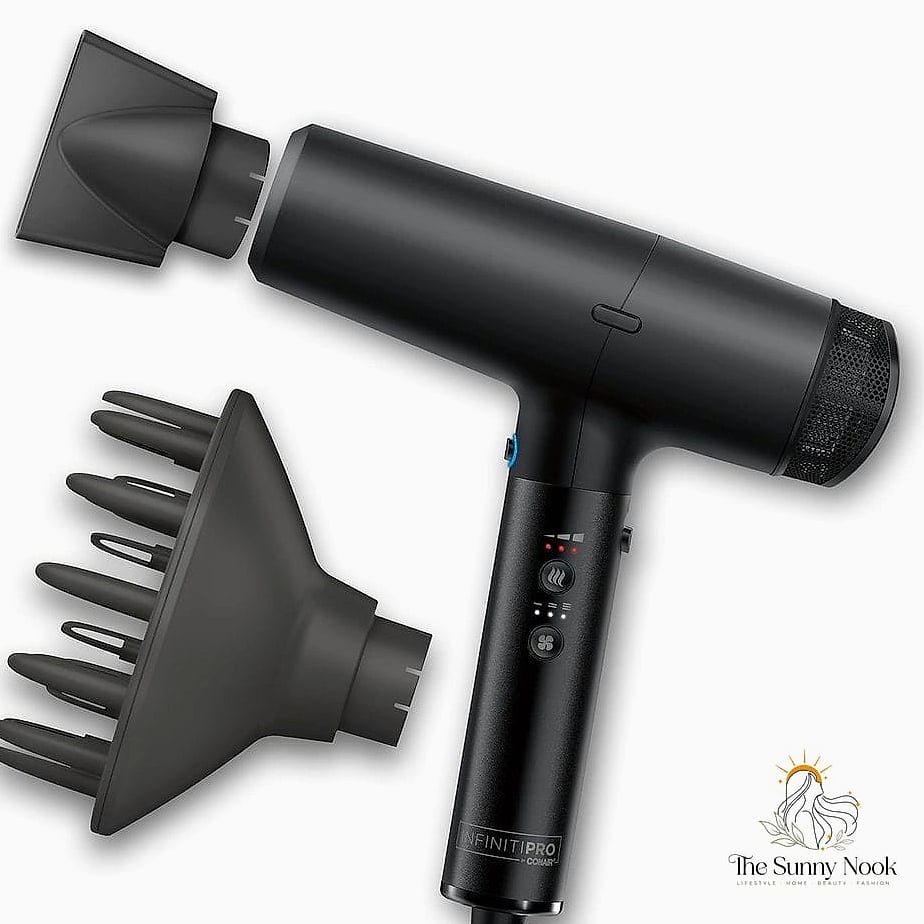
No matter which dryer you end up with, a few small habits go a long way in protecting your hair long term. Always start with a heat protectant spray, keep the dryer at least six inches from your scalp, and use the cool shot button to finish off each section. Drying on a medium setting instead of max heat also helps, even if it takes a couple extra minutes.
Finding the right blow dryer really does come down to your specific texture, thickness, and how much damage your hair has already dealt with. There’s no single best option for everyone, but hopefully this list gives you a solid starting point for narrowing down what’ll actually work for you. Your hair will thank you the next time you reach for it.