9 Low Porosity Hair Care to Show Your Stylist ASAP
- Low Porosity vs. High Porosity
- Pre-Poo Treatment for Low Porosity Hair
- Clarify Regularly to Prevent Buildup
- Always Apply Heat When Deep Conditioning
- Choose Lightweight, Water-Based Products
- Use the LCO Method Instead of LOC
- Steam Treatments Between Wash Days
- Avoid Protein-Heavy Products
- Rely on Warm Water, Not Hot
- Ask About a Protein-Free Deep Conditioning Schedule
9 Low Porosity Hair Care to Show Your Stylist ASAP
If your hair takes forever to get wet in the shower and even longer to dry, and products seem to just sit on top instead of soaking in, you’re probably dealing with low porosity hair. It’s one of those hair traits nobody warns you about until you’re standing in the shampoo aisle wondering why nothing seems to work. Low porosity hair has a tightly packed cuticle layer, which makes it resistant to moisture getting in — but also resistant to moisture getting out once it’s there. Once you understand what you’re working with, everything from product buildup to limp curls starts to make a lot more sense. Bring these nine tips to your next salon visit and watch your stylist nod along like you just read their mind.
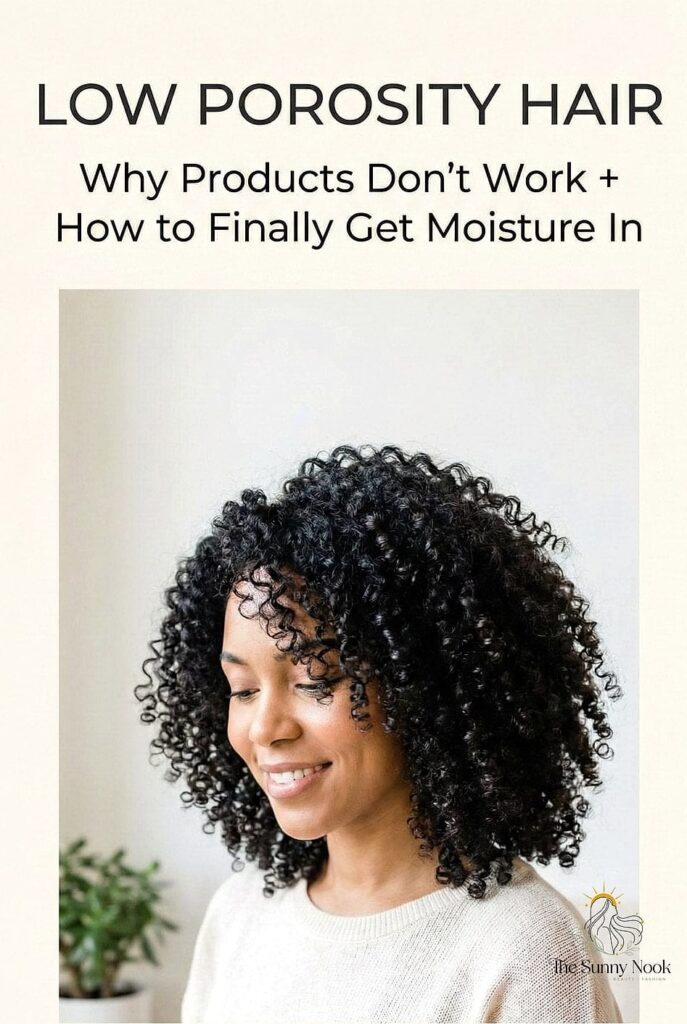
Low Porosity vs. High Porosity

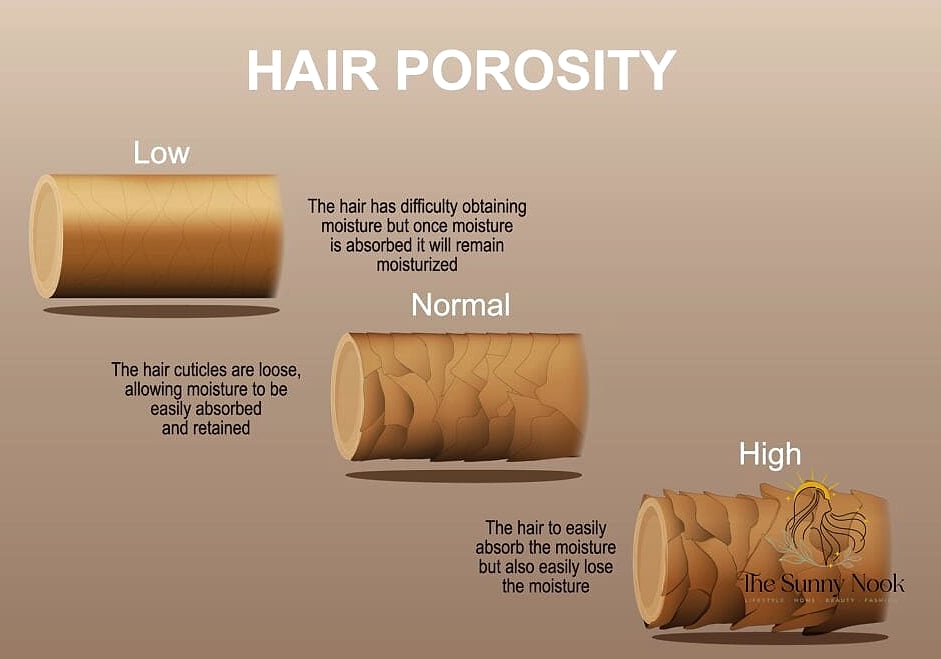
Low porosity hair has cuticles that lay flat and close together, so moisture and products have a hard time penetrating the strand. High porosity hair, on the other hand, has raised or damaged cuticles that let moisture in fast but also let it escape just as quickly, leading to frizz and dryness. Knowing which category you fall into changes everything about your routine, from the products you buy to how you apply heat. A quick way to check at home is the float test — a strand of low porosity hair will usually float on top of water for a while before slowly sinking.
Pre-Poo Treatment for Low Porosity Hair
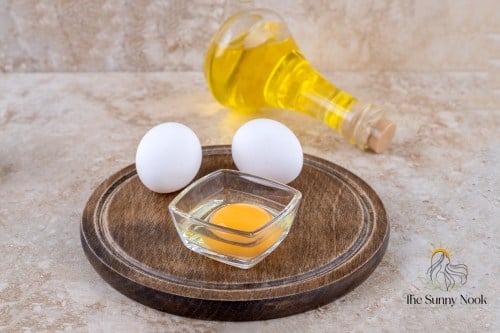
A pre-poo (pre-shampoo) treatment helps soften the cuticle before you introduce cleansers, which can otherwise be harsh and stripping on hair that’s already struggling to absorb moisture. Try applying a lightweight oil like grapeseed or argan to damp hair, then covering it with a plastic cap and adding gentle heat for 20-30 minutes before you shampoo. The heat is key here since it’s what actually helps lift the cuticle enough to let the treatment do its job. This one small addition to wash day can make your hair feel noticeably softer and more manageable afterward.
Clarify Regularly to Prevent Buildup

Low porosity hair is notorious for holding onto product residue since it doesn’t absorb moisture or ingredients easily. A clarifying shampoo once every two to three weeks helps strip away that buildup so your actual hair care products can start working the way they’re supposed to. Skipping this step is one of the most common reasons people feel like their conditioner or leave-in just isn’t doing anything anymore. Ask your stylist to recommend a clarifying formula that won’t be too drying for your specific texture.
Always Apply Heat When Deep Conditioning
Cold or room-temperature deep conditioner sitting on low porosity hair is basically just sitting there doing nothing. Heat is what opens the cuticle enough for the actual conditioning ingredients to get inside the strand instead of rinsing off the surface. A hooded dryer, steamer, or even a warm towel wrapped around your head works well for this. This is honestly the single biggest game-changing habit for low porosity hair, so if you only take one tip from this list, make it this one.
Choose Lightweight, Water-Based Products

Heavy butters and creams tend to sit on top of low porosity strands instead of sinking in, which can leave hair looking greasy or weighed down rather than nourished. Look for products where water is listed as one of the first ingredients, since water-based formulas absorb far more easily than oil-heavy ones. Humectants like glycerin and honey are also great additions since they pull moisture into the hair rather than just coating it. Your stylist can point you toward specific lines formulated with low porosity hair in mind.
Use the LCO Method Instead of LOC
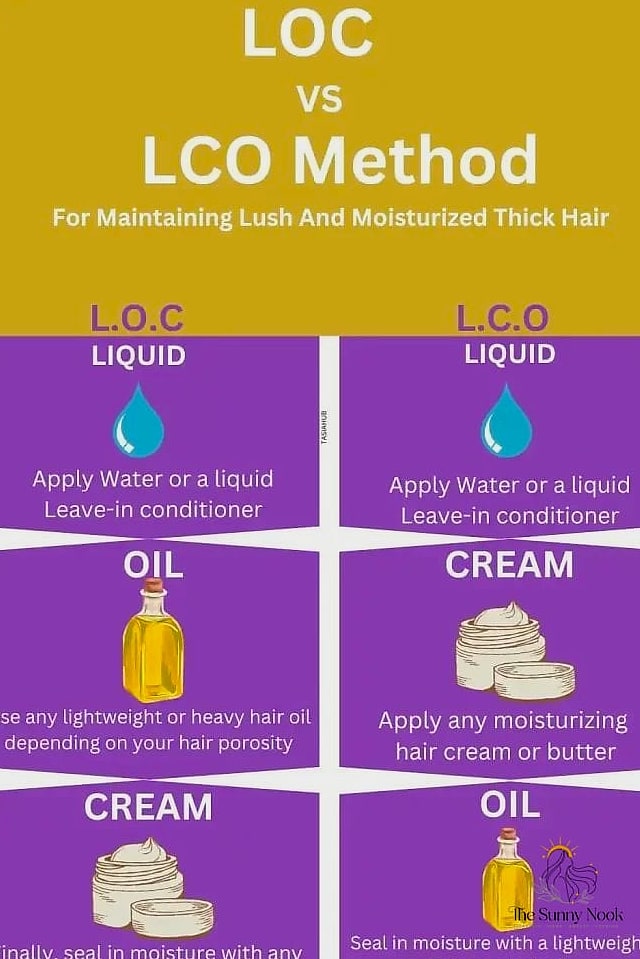
Most people have heard of the LOC method (liquid, oil, cream), but low porosity hair often does better flipped around as LCO — liquid, cream, oil. Applying oil last creates a light seal on top of the moisture and cream underneath, without adding the extra weight that comes from layering oil in the middle. It sounds like a small tweak, but a lot of people notice their curls or waves suddenly hold moisture better with this simple switch. Play around with both methods and see which one your hair actually responds to.
Steam Treatments Between Wash Days

You don’t need a fancy setup to steam your hair — even a warm shower with the door closed can create enough humidity to soften the cuticle layer between full wash days. This is especially helpful if your hair feels dry or stiff a few days after washing but you’re not ready for a full wash routine yet. A handheld garment steamer held a safe distance from the scalp works too, and plenty of stylists keep one in the salon for exactly this reason. It’s a quick refresh that can make second or third-day hair feel soft again.
Avoid Protein-Heavy Products
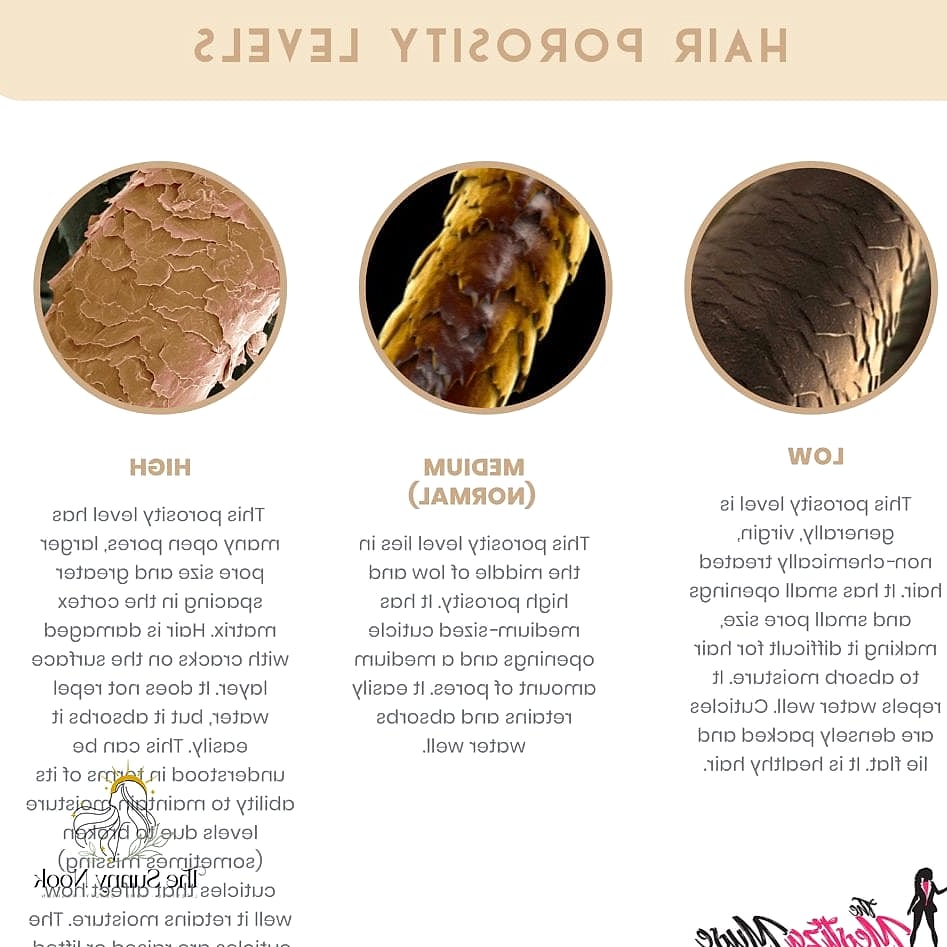
Low porosity hair generally doesn’t need much extra protein since the cuticle is already tightly sealed and doesn’t lose protein as easily as high porosity hair does. Adding protein-rich treatments on top of that can make strands feel stiff, brittle, or straw-like instead of soft. If you notice your hair feeling harder or more prone to snapping after a certain product, check the ingredient list for protein and consider cutting back. This is a detail a lot of people miss, and it’s worth mentioning to your stylist so they can steer your treatment plan in the right direction.
Rely on Warm Water, Not Hot

Hot water might feel nice in the moment, but it can actually cause the cuticle to close up tighter, working against everything you’re trying to do with moisture absorption. Warm water strikes a better balance, helping the cuticle stay receptive without stripping natural oils the way scalding water can. Finish your rinse with slightly cooler water if you can stand it, since this helps smooth the cuticle back down and lock in whatever moisture you just worked to get in. It’s a small habit change that costs nothing and takes zero extra time.
Ask About a Protein-Free Deep Conditioning Schedule
Building a consistent deep conditioning schedule that skips heavy proteins is one of the best long-term moves for low porosity hair. Weekly or biweekly sessions with heat, using moisture-rich, protein-free formulas, tend to keep strands soft and pliable over time rather than stiff and resistant. Your stylist can help you map out a realistic schedule based on how your hair is behaving right now, since porosity needs can shift with color treatments, seasons, or even hard water exposure. Bringing this list to your appointment gives them a clear starting point to build a routine that actually works with your hair instead of against it.