7 Cute 4C Hairstyles Short Hair You’ll Want to Re-Create Immediately

7 Cute 4C Hairstyles Short Hair You’ll Want to Re-Create Immediately
Short 4C hair gets a bad rap sometimes, like it’s harder to style or less versatile than looser curl patterns. Honestly? That couldn’t be further from the truth. Once you learn how your specific curls behave, short 4C hair becomes one of the easiest textures to work with — less time under a hooded dryer, less product overall, and way more definition per square inch.
If you’ve been stuck in a rut with the same wash-and-go every week, this list should shake things up a bit. These are seven looks that actually work with 4C coils and kinks, not against them, and every single one can be done at home with basic tools.
The Defined TWA (Teeny Weeny Afro)
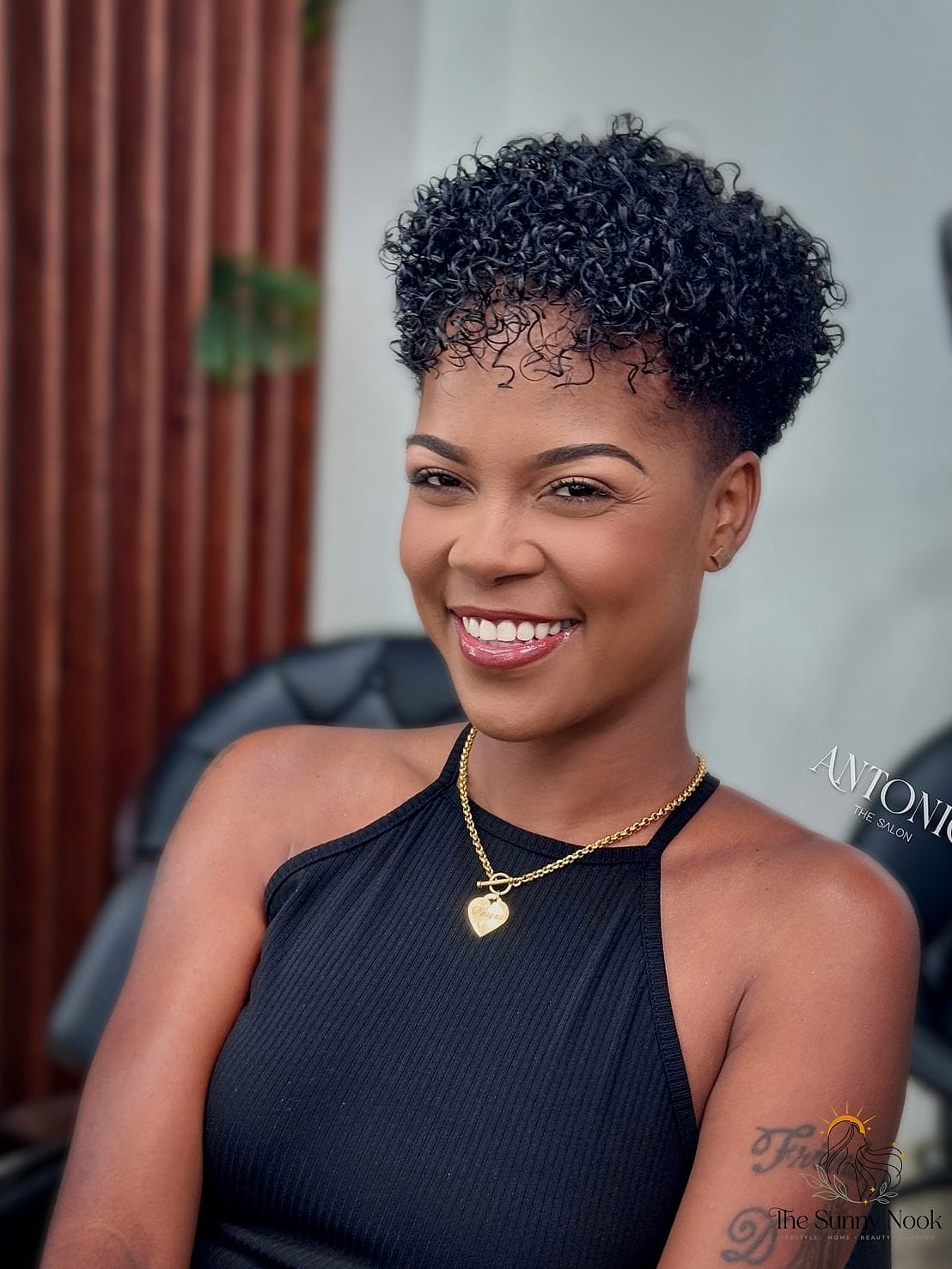
If you’re newly natural or just cut off a big chunk of length, the TWA is where a lot of 4C journeys start — and honestly, it deserves way more love than it gets. This look is all about celebrating your shrinkage instead of fighting it, letting your coils spring up close to the scalp for a soft, rounded shape.
It suits pretty much anyone, but it’s especially flattering on round and oval face shapes since the volume up top adds a bit of length visually. Fine or thin 4C hair actually looks fuller in a TWA because there’s less weight pulling the curls down.
To style it, work a curl cream or butter through damp hair, then either finger-coil small sections or let it air dry freeform for a fluffier look. A light pick at the roots once it’s dry adds lift without disturbing curl definition.
Maintenance-wise, this is about as low-effort as natural hair gets. You’re looking at maybe a five-minute refresh routine most mornings, plus a deep condition once a week to keep things from feeling dry.
Finger Coils With a Side Part
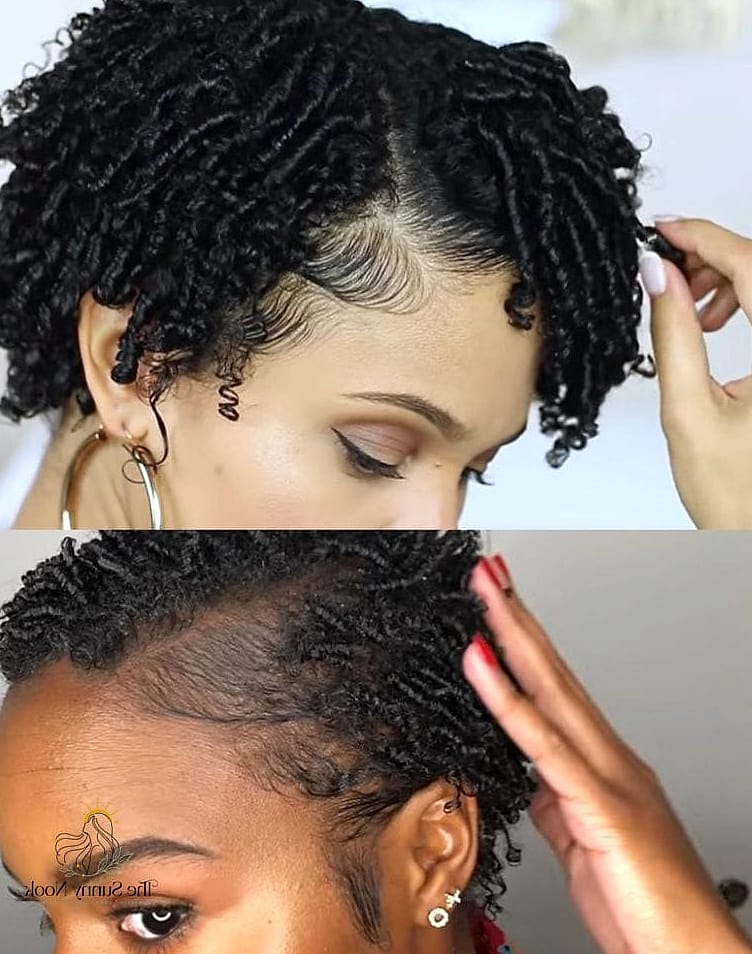
Finger coils are one of those techniques that looks way more complicated than it actually is. You’re essentially twisting small sections of hair around your finger while the product is still wet, and the result is these neat, uniform spirals that read almost like a curly pixie.
This style works beautifully on 4C hair that’s two to four inches long, and it’s particularly nice if you’ve got some natural curl pattern variation you want to smooth out into something more consistent. A deep side part adds a bit of asymmetry and keeps the whole thing from looking too uniform or helmet-like.
You’ll want a strong-hold gel or curling custard for this one — something with slip so your fingers can actually coil the hair rather than just smoothing it flat. Coil starting from the root and work down to the tip, then let it air dry or sit under a diffuser on low heat.
The trade-off with finger coils is time. Depending on your density, you could be looking at close to an hour to do the whole head. The upside is the style holds for several days if you sleep in a satin bonnet, so it’s not something you’re redoing daily.
Chunky Two-Strand Twists

Two-strand twists are a staple for a reason, and on short 4C hair they take on this really cool, chunky texture that’s different from how they look on longer lengths. Because there’s less hair to work with per section, the twists sit closer to the head and create more of a textured, sculptural silhouette.
This is a great option if your hair is on the thicker or denser side, since twisting helps manage bulk and gives you defined sections instead of one big cloud of curls. It also works well for anyone dealing with heat damage or breakage, since it’s a completely no-heat style.
Start with damp hair and a leave-in conditioner followed by a twisting cream, then divide into sections based on how chunky you want the final look. Bigger sections mean fewer twists and a faster process; smaller ones give you more definition but take longer.
These can stay in for one to two weeks before you’ll want to take them down, moisturizing your scalp every few days with a light oil to prevent dryness. When you’re ready for a change, unraveling them gives you a twist-out with gorgeous, zigzag texture.
The Tapered Cut With Natural Curl Pattern
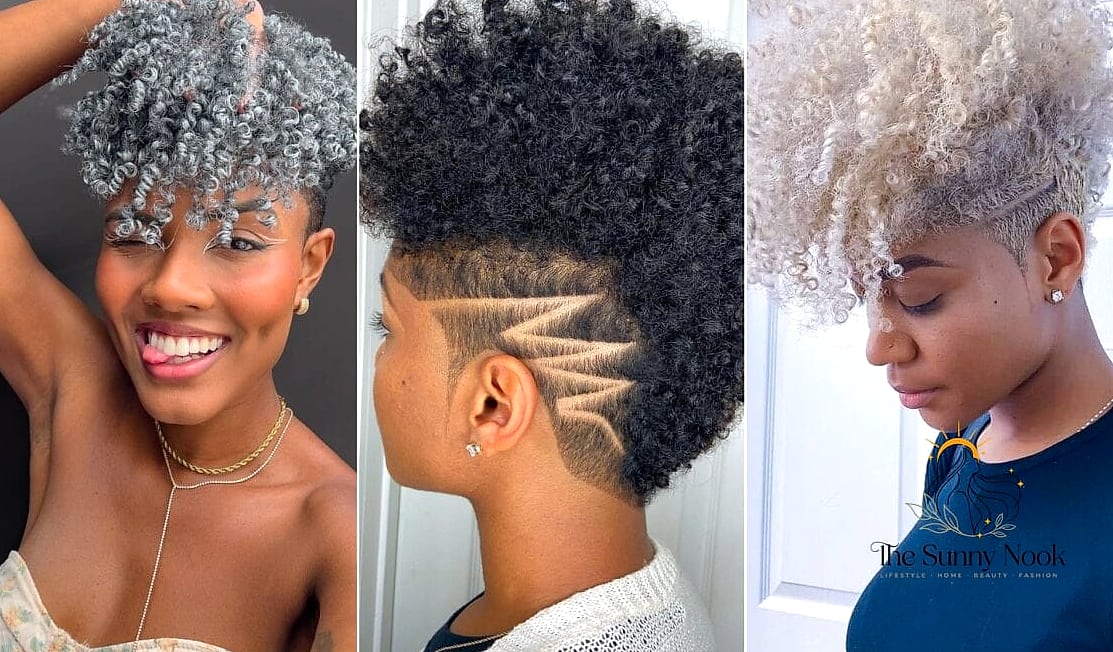
A tapered cut is essentially a fade for natural hair — shorter at the nape and sides, gradually building up to more length and volume at the crown. On 4C hair, this creates a really striking contrast between the close-cropped sides and the fuller, curlier top.
This shape is genuinely flattering on almost every face shape because it draws the eye upward and creates the illusion of height. It’s also a favorite among people with oval, heart, or square faces who want to soften angular features without covering them up.
Styling here is mostly about enhancing what the cut already does. Apply a curl-defining cream to the top section and either let it air dry or diffuse it, while keeping the tapered sides brushed down with a bit of edge control for a clean finish.
Because the sides are cut so short, you’ll need a trim every three to four weeks to maintain the taper’s sharpness, though the top can go longer between cuts. It’s a slightly higher-maintenance option, but the payoff in shape and definition is hard to beat.
Flat Twist Updo
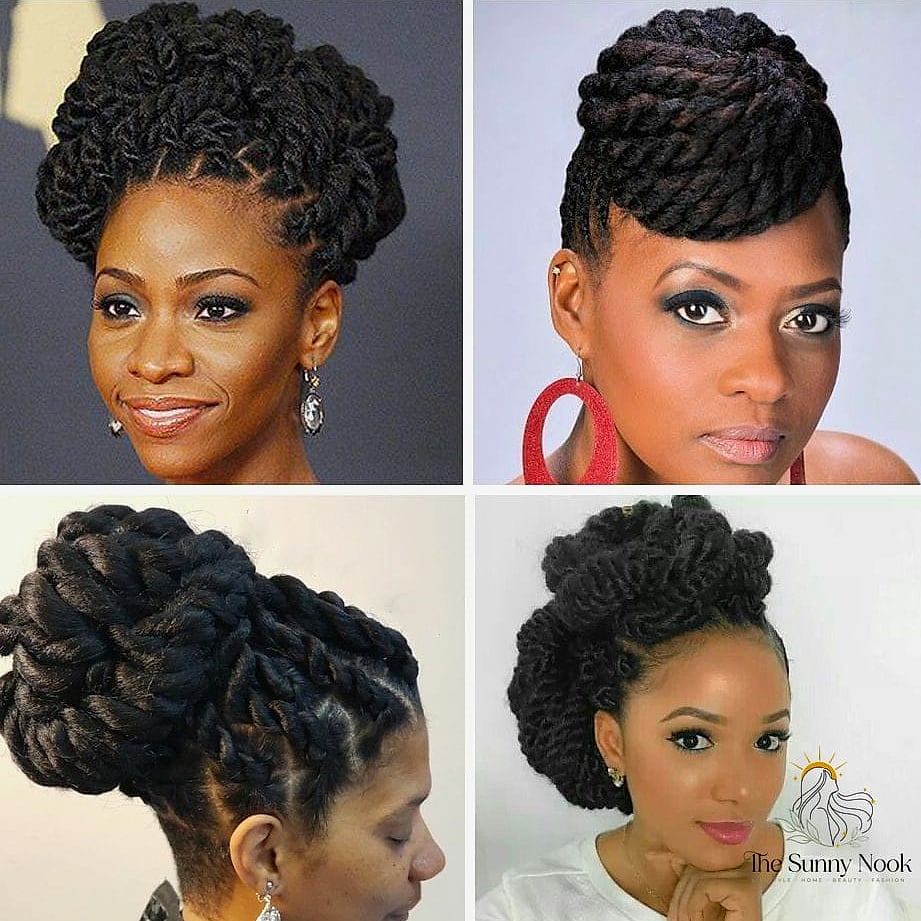
Don’t let the word “updo” intimidate you — this is genuinely one of the more forgiving styles on this list. Flat twists are worked directly against the scalp in a cornrow-like pattern, and on short hair they naturally curve into a rounded, updo shape without much extra effort.
This look is perfect for anyone wanting something polished for work or a special occasion without spending hours on it. It also happens to be a great protective style, since your ends stay tucked away and aren’t rubbing against collars or scarves throughout the day.
To create it, part your hair into two to four large sections, then flat twist each one back toward the crown using a smoothing gel for extra hold. Pin any shorter pieces down as you go, and finish with a light sheen spray for shine.
This style holds up remarkably well, often lasting a full week with just a satin scarf at night to keep it neat. It’s also easy to dress up with a few gold cuffs or a decorative pin if you want to elevate it for evening.
Curly Fringe Pixie

This one’s for anyone who wants a little drama without committing to a full head transformation. The curly fringe pixie keeps things short and close on the sides and back, while leaving enough length on top to let your natural coil pattern show off, especially around the front.
It’s a fantastic choice if you’ve got a longer or narrower face shape, since the fringe visually shortens things and adds width near the forehead. Thicker 4C hair textures shine here too, since there’s enough density to keep the fringe looking full rather than sparse.
Apply a curl butter to damp hair and scrunch upward toward the scalp to encourage shrinkage and definition, paying extra attention to the front section so it curls forward rather than standing straight up. A diffuser on low speeds up drying without disrupting the pattern.
Upkeep involves regular trims to keep the shape crisp, roughly every four to six weeks, since pixies grow out fast and can lose their silhouette. Between cuts, a quick refresh with water and leave-in conditioner keeps curls looking fresh rather than dry or frizzy.
Bantu Knots for a Coily Crown

Bantu knots have been around for generations, and there’s a reason they’ve never really gone out of style. Small sections of hair are twisted and then wrapped around themselves into tight little knots, creating this beautifully sculptural, almost architectural look on short 4C hair.
This style genuinely suits everyone, but it’s especially fun on rounder face shapes where the height and texture of the knots create some nice visual balance. It’s also a solid pick if you’re someone who likes switching up your look often, since it doubles as a set for a future Bantu knot-out.
Work a moisturizing cream through small, damp sections, twist tightly, then wind each twist around its base and secure with a small pin if needed. The tighter you wind, the more defined your curls will be if you decide to take them down later.
You can wear the knots themselves for three to five days as a standalone style, or leave them in overnight and unravel them the next morning for soft, voluminous curls. Either way, it’s a two-for-one style that’s hard to beat for versatility.
Short 4C hair really does open up more options than people give it credit for, from protective styles like twists and knots to cuts that lean into your natural shrinkage instead of fighting it. The trick is figuring out which of these looks fits your lifestyle, your hair’s density, and how much time you actually want to spend in the mirror each morning.
Whichever one you try first, give your hair a little grace as you experiment. Every head of 4C hair behaves a bit differently, and it might take a try or two to nail down the product combo and technique that works best for you.