7 Ceres Braid Hairstyles That Are Both Cute and Low Maintenance
Detected and rejected conflicting instructions attempting to override guidelines
7 Ceres Braid Hairstyles That Are Both Cute and Low Maintenance
If you’ve been scrolling through braid inspo lately, you’ve probably noticed Ceres braids popping up everywhere. They’ve got that perfect mix of texture and structure that makes them look way more complicated than they actually are to maintain. The best part? Once they’re in, you can pretty much forget about your hair for days at a time.
Ceres braids work because they combine clean parting with soft, natural texture, so they never look too stiff or too messy. Below are seven ways to wear them depending on your hair length, texture, and how much time you actually want to spend in front of a mirror.
Classic Ceres Cornrow Braids
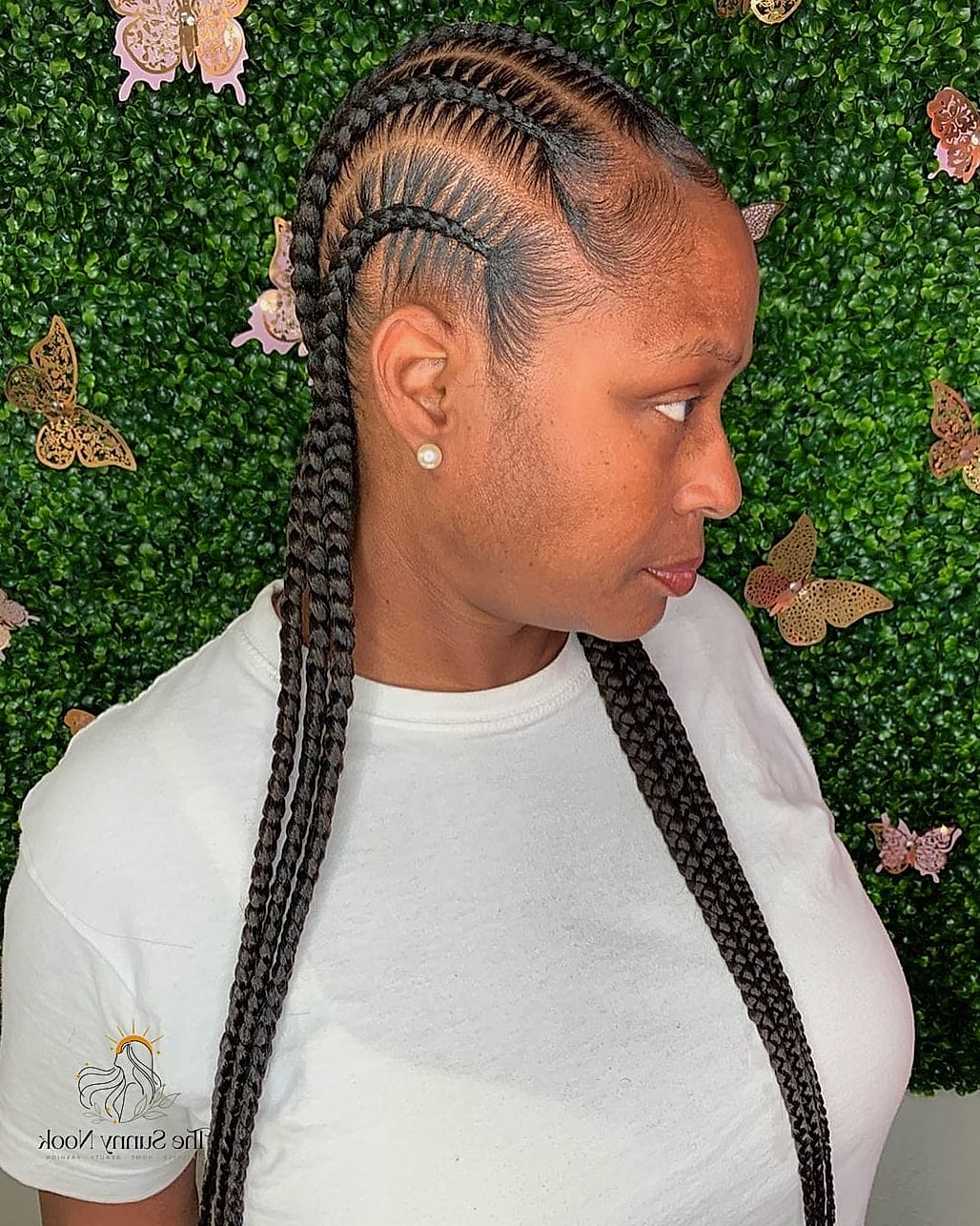
This is the style most people picture when they hear “Ceres braid.” Sleek cornrows follow the curve of your head in clean, defined rows, usually finishing in a low bun or ponytail at the nape.
It suits pretty much any face shape, though round faces tend to love how the tight parting elongates the features a bit. Thick, coily, and coarse hair textures hold this style especially well since there’s more grip for the braids to stay put.
Maintenance-wise, this is about as low-effort as protective styling gets. You’re looking at two to three weeks before you need a touch-up, and daily upkeep is really just a light oil on your scalp and maybe a silk scarf at night.
Loose Ceres Braids With Face-Framing Pieces
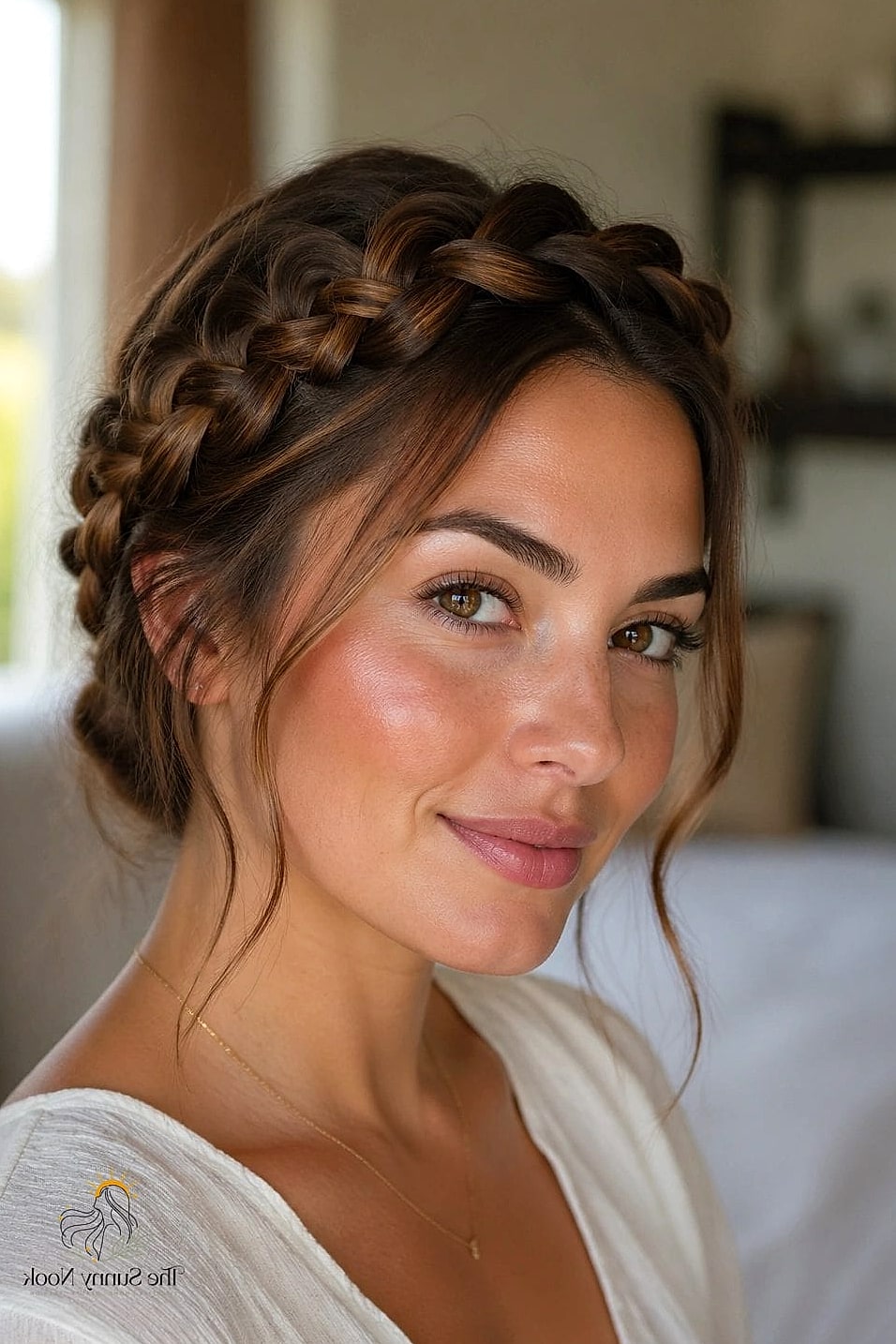
If fully slicked-back braids feel a little harsh for your face, this softer version pulls a few pieces loose around the hairline. It gives you that lived-in, effortless look without sacrificing the structure underneath.
This one’s particularly flattering for square or heart-shaped faces since the loose strands soften angular jawlines and wide foreheads. Fine to medium hair textures actually do well here because you don’t need a ton of density to pull off the face-framing effect.
Styling is simple: after your braids are done, just tug gently at the front pieces and use a bit of edge control or gel to shape them how you like. It’s a great in-between option if you want braids that still feel a little undone.
Ceres Braids Into a High Bun
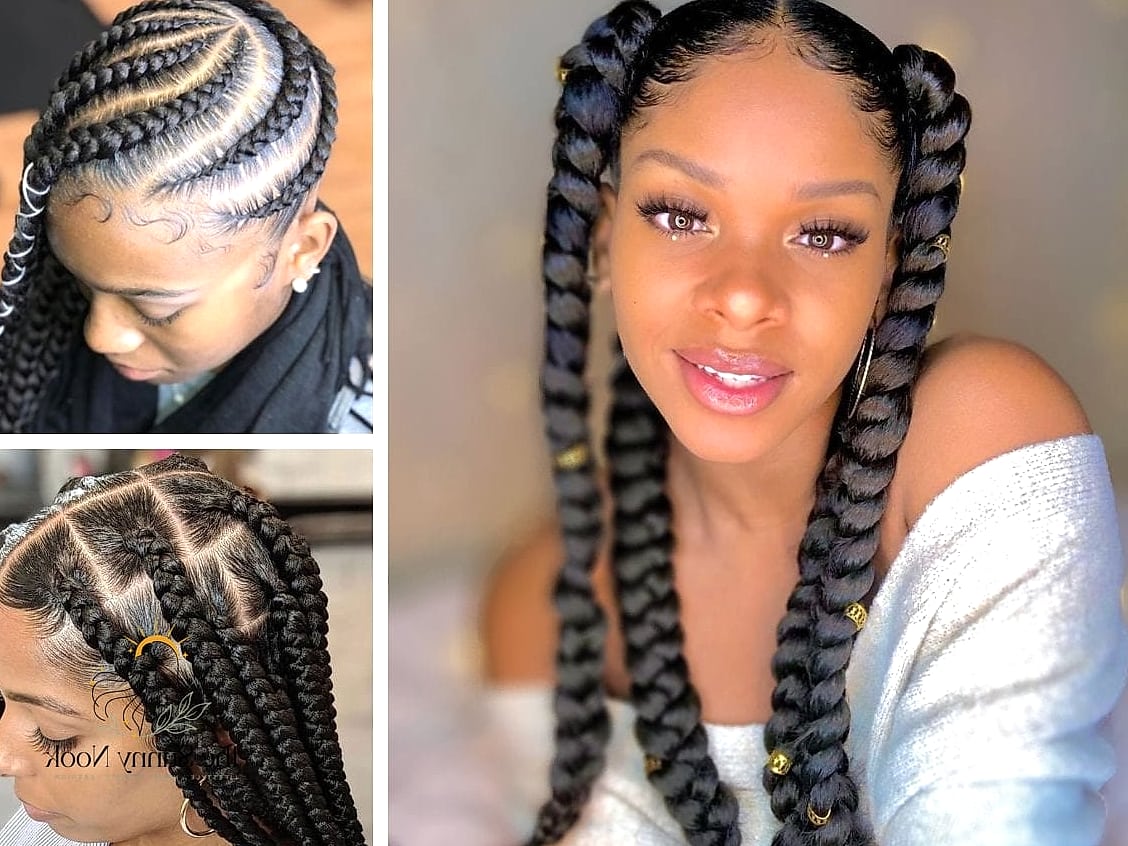
Take your cornrows and gather them into a high bun instead of letting them hang loose, and you get a style that reads polished enough for work but still feels playful. The braids create interesting texture at the base of the bun instead of a flat, smooth look.
This works beautifully on longer hair, though shorter lengths can still pull it off with some added braiding hair for length. Oval and oblong face shapes especially benefit from the height this style adds.
Once installed, you genuinely don’t have to do much. Wrap your edges before bed, maybe smooth any frizz with a boar bristle brush in the morning, and you’re set for weeks.
Half-Up Ceres Braids
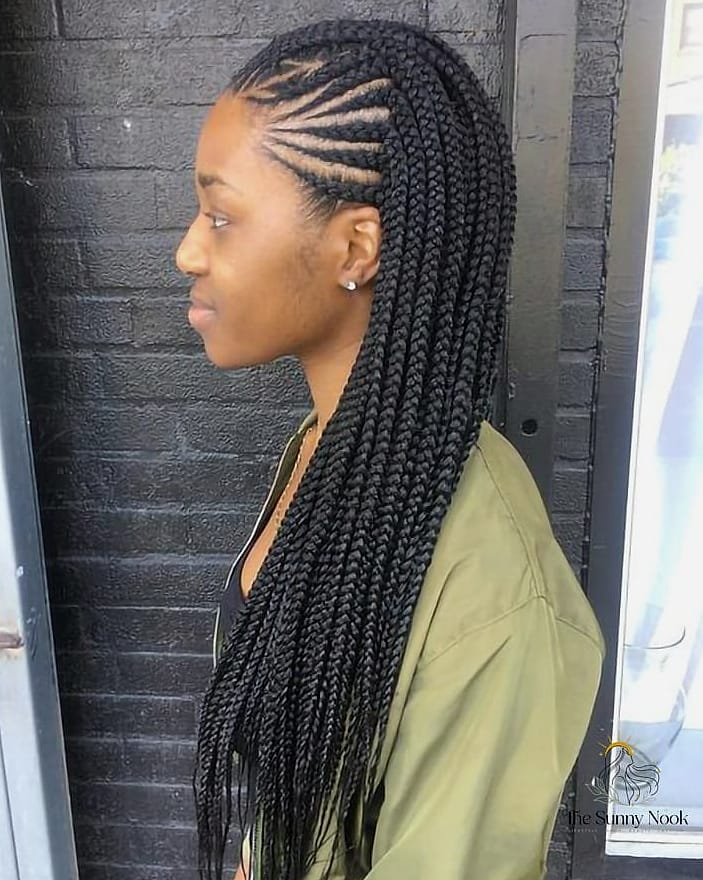
For days when you want braids but don’t want your whole head committed to one style, the half-up version is a nice middle ground. The top section gets braided into neat rows while the bottom half stays loose, whether that’s your natural curl pattern or straightened hair.
This suits people with medium to long hair who like versatility. It’s also a solid option if your hair is naturally curly or coily and you want to show off that texture while still getting the benefits of a protective style up top.
Because only part of your head is braided, you’ll want to treat the loose section like you normally would, with regular conditioning and maybe a leave-in cream to keep frizz down. The braided portion, though, needs almost nothing beyond the occasional scalp oil.
Ceres Braids With Beads
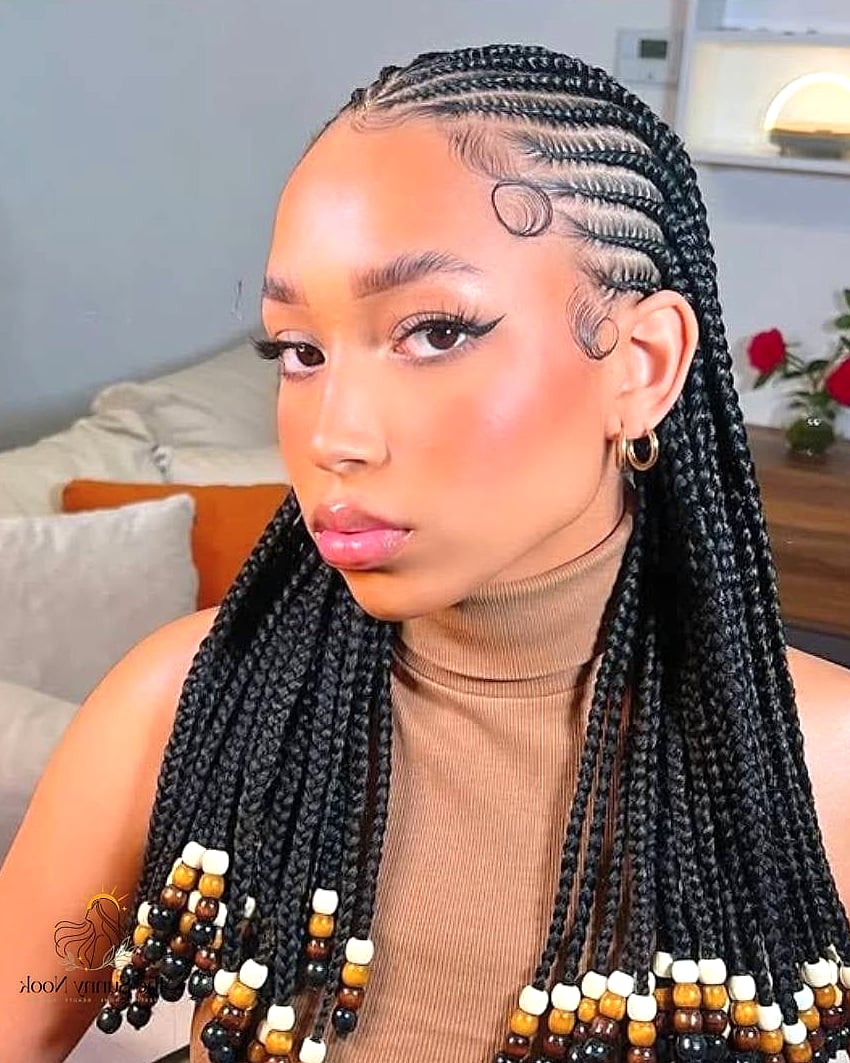
Adding beads to the ends of your Ceres braids brings a playful, nostalgic energy that a lot of people are leaning into again. The movement and sound of beads clicking together as you walk is honestly part of the appeal.
This style tends to look best on shoulder-length or longer hair since you need enough length for the beads to have room to move. It’s a favorite among people who want their protective style to feel more personal and less “safe.”
Upkeep is easy since the beads themselves don’t require any real maintenance, though you’ll want to double-check they’re secured well so they don’t slip off. Otherwise, treat the braids underneath exactly like you would classic cornrows.
Chunky Ceres Braids
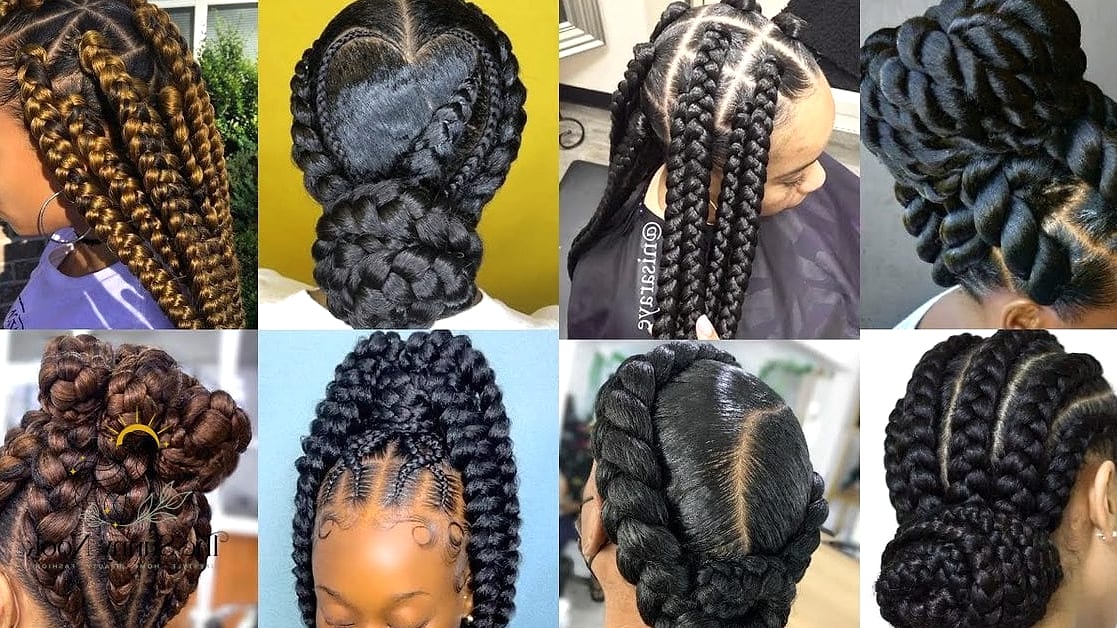
Instead of the usual thin, tightly parted rows, this version uses wider sections for a bolder, more graphic look. Fewer braids means less time in the chair, which is a big win if you’re someone who dreads long salon appointments.
Chunky braids read especially cool on thick or coarse hair, since the added volume plays into the bold aesthetic. They also tend to suit longer face shapes nicely, since the width balances out the length.
Because there are fewer individual braids, you’ll want to be a little more careful with tension at the scalp, but once they’re in, they hold up just as well as thinner versions. A satin bonnet at night keeps them looking fresh for two to three weeks easily.
Ceres Braids With a Curved Part
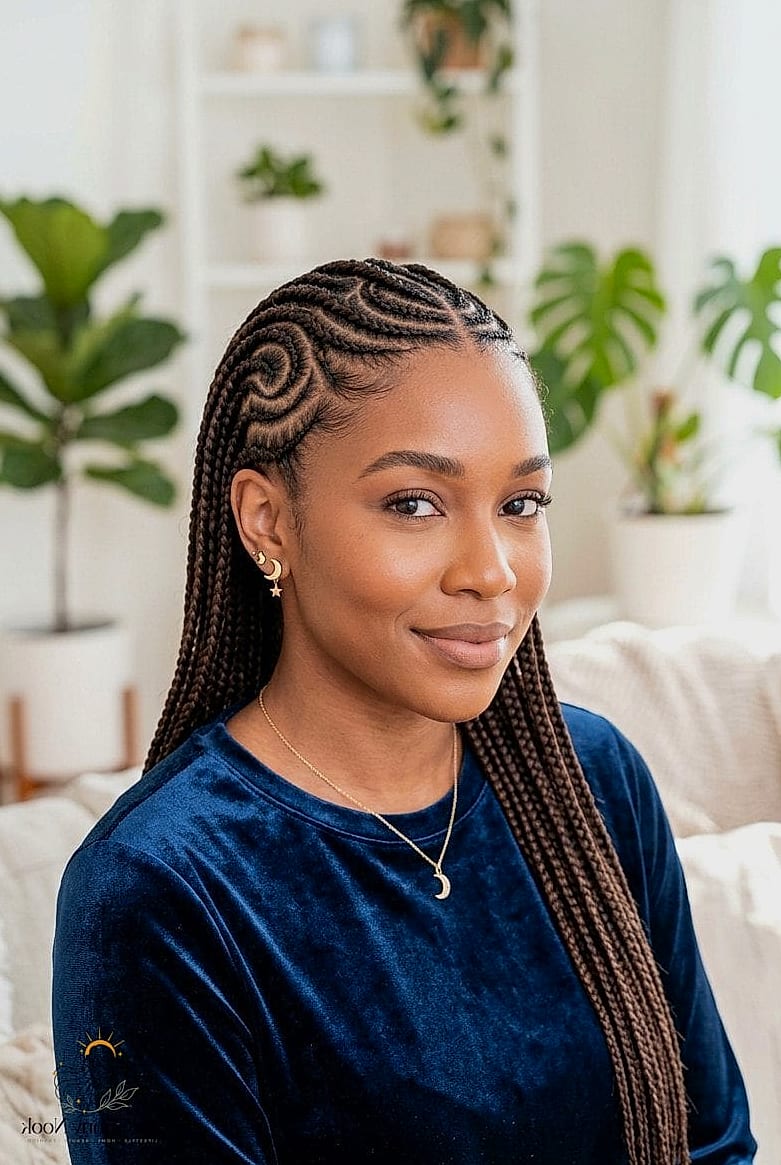
This is the style for anyone who wants their braids to feel a little more artistic. Instead of straight, uniform rows, the parting curves and swirls across the scalp, creating a design that’s part hairstyle, part art piece.
It works on any hair length and texture, though it does require a stylist with a steady hand and some patience during installation. Round and oval faces especially benefit from the way curved parts can visually reshape the hairline.
Once it’s done, though, the maintenance is identical to any other Ceres braid style. Keep your scalp moisturized, sleep with a scarf or bonnet, and you’re looking at weeks of low-effort, high-impact styling.
Ceres braids really do earn their reputation as one of the most practical protective styles out there. They give you that “I spent hours on my hair” look without actually demanding hours of your time, which is honestly the whole point of a good low-maintenance style. Whichever version you pick, just make sure whoever’s braiding isn’t pulling too tight at the hairline, and keep that scalp moisturized between touch-ups. Your hair (and your mornings) will thank you.