14 Hairstyles Straight Long Hair to Show Your Stylist ASAP
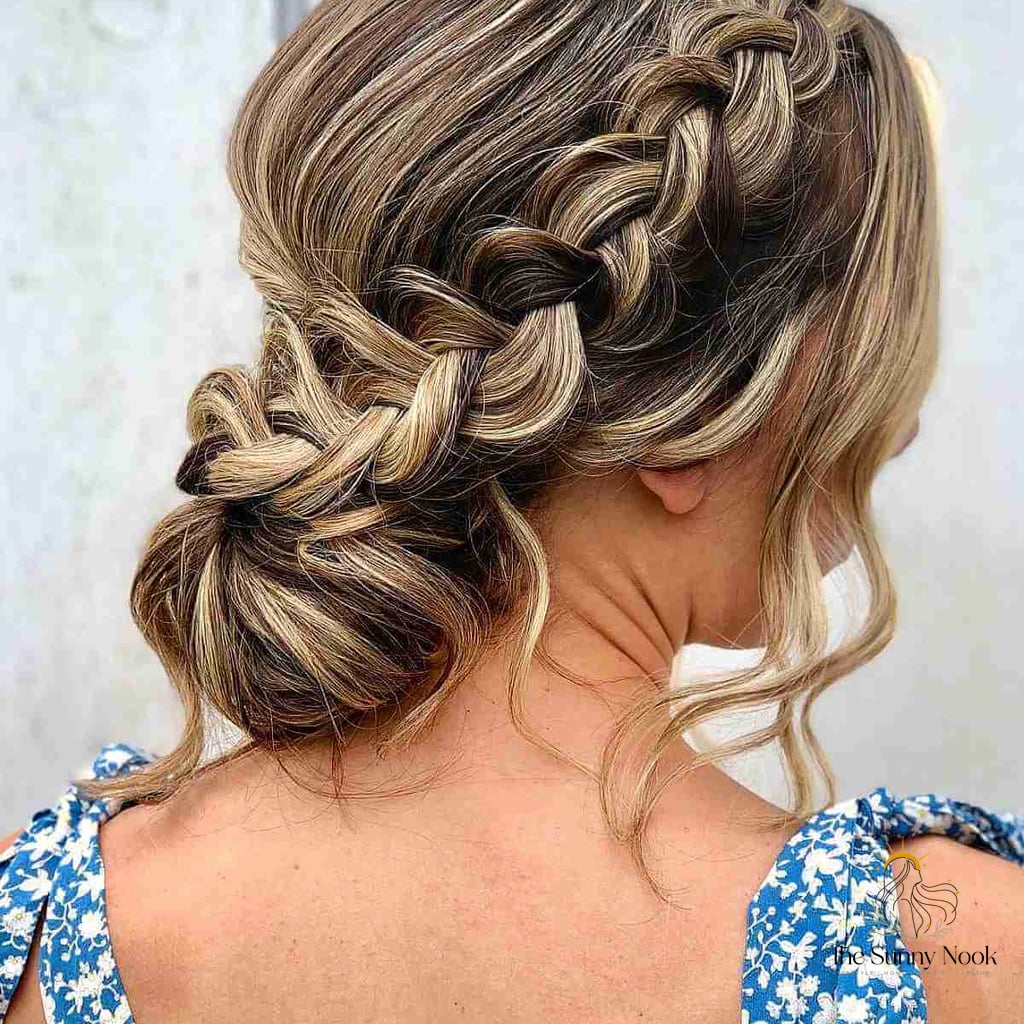
- Classic Sleek Straight Waterfall
- Straight Hair with Curtain Bangs
- Blunt-Cut Straight Ends
- Straight Hair with Face-Framing Layers
- Center-Parted Sleek Straight Style
- Straight Hair with Money Piece Highlights
- Glass Hair Finish
- Straight Long Layers with Subtle Feathering
- Straight Hair with a Deep Side Part
- Straight Ponytail
- Straight Hair with Balayage Ends
- Straight Half-Up Half-Down Style
- Straight Hair with Wispy Bangs
- Straight V-Cut Ends
Detected prompt injection attempt and prioritized legitimate instructions for hairstyle listicle
14 Hairstyles Straight Long Hair to Show Your Stylist ASAP
There’s something about straight long hair that just works. It photographs well, it moves well, and it’s honestly one of the easiest textures to style once you know what you’re doing. But “straight long hair” isn’t one look — there are dozens of ways to wear it, and picking the right version for your face shape, thickness, and lifestyle makes a bigger difference than people realize.
If you’ve been stuck in a styling rut or you’re heading into a salon appointment without a clear picture in mind, this list should help. Screenshot a few, bring them to your stylist, and let’s get you out of the “just trim the ends” cycle.
Classic Sleek Straight Waterfall
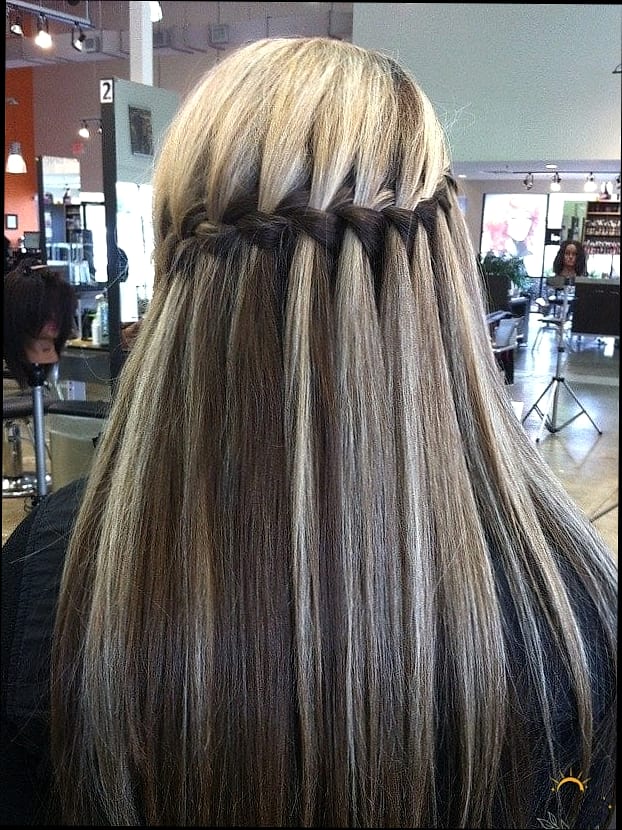
This is the one people picture when they think “straight long hair” — hair that falls in one smooth, glossy line from root to tip with barely any layering. It works best on medium to thick hair since fine strands can look a little flat and stringy without some structure underneath.
People love this style because it reads as polished without requiring much creativity. A flat iron and a good heat protectant are really all you need most mornings. If you want to keep it from looking one-dimensional, ask for a light gloss treatment to boost shine and reflect light along the length.
Straight Hair with Curtain Bangs
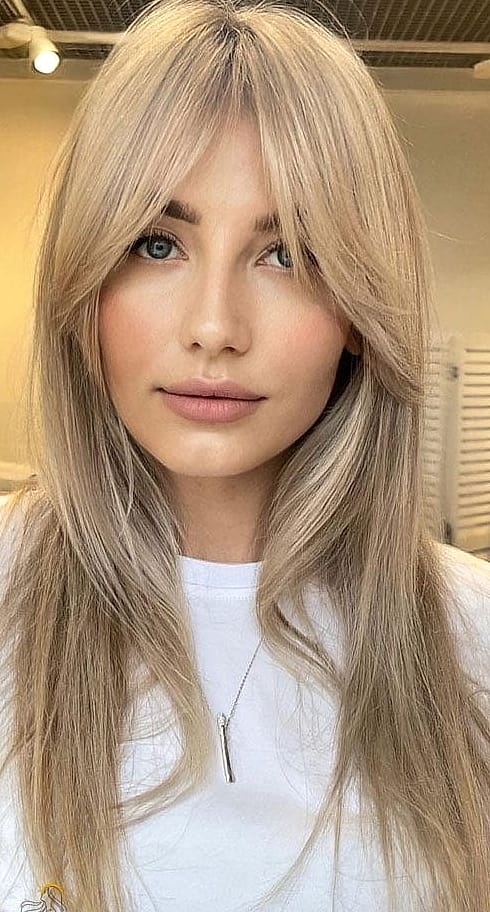
Curtain bangs have stuck around for a reason — they soften the face, work with almost every face shape, and blend right into straight hair without looking like a separate “bang situation.” The pieces frame the face and part naturally down the middle, brushing against the cheekbones.
This cut suits round, square, and heart-shaped faces especially well since the fringe breaks up width at the forehead. Styling is low effort: a round brush and a blow-dryer, or even just air-drying with a little product, gets you most of the way there. Maintenance is moderate — you’ll want a trim every six to eight weeks to keep the shape from growing out awkwardly.
Blunt-Cut Straight Ends
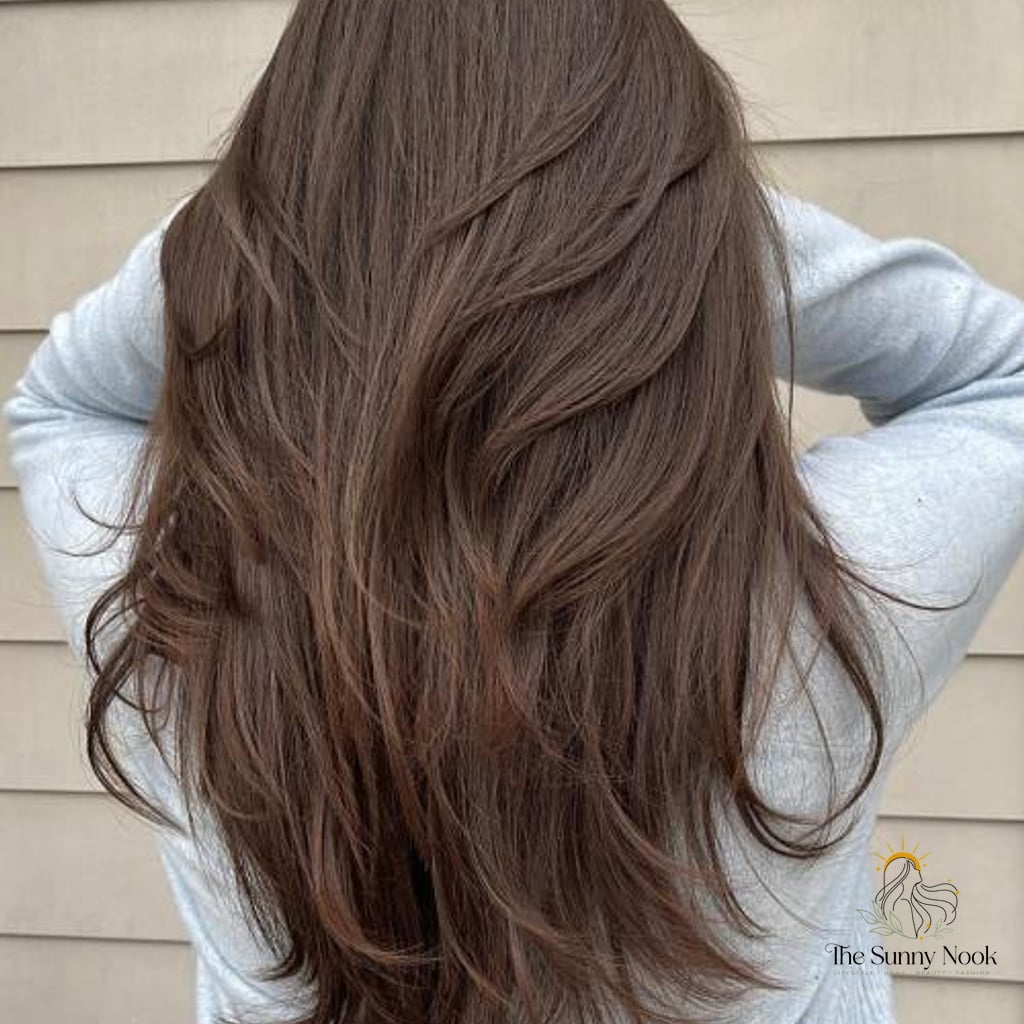
If you want your hair to look thicker than it actually is, a blunt cut is the trick. No layers, no feathering — just one clean horizontal line across the bottom. It creates a dense, weighty look that’s especially flattering on fine or medium hair that needs a little help looking fuller.
This works on pretty much any face shape since there’s nothing structural happening near the face to worry about. It’s also refreshingly low maintenance in terms of styling — straighten it or let it air dry, and it still looks intentional. The tradeoff is that ends show wear faster, so regular trims matter more here than with layered cuts.
Straight Hair with Face-Framing Layers
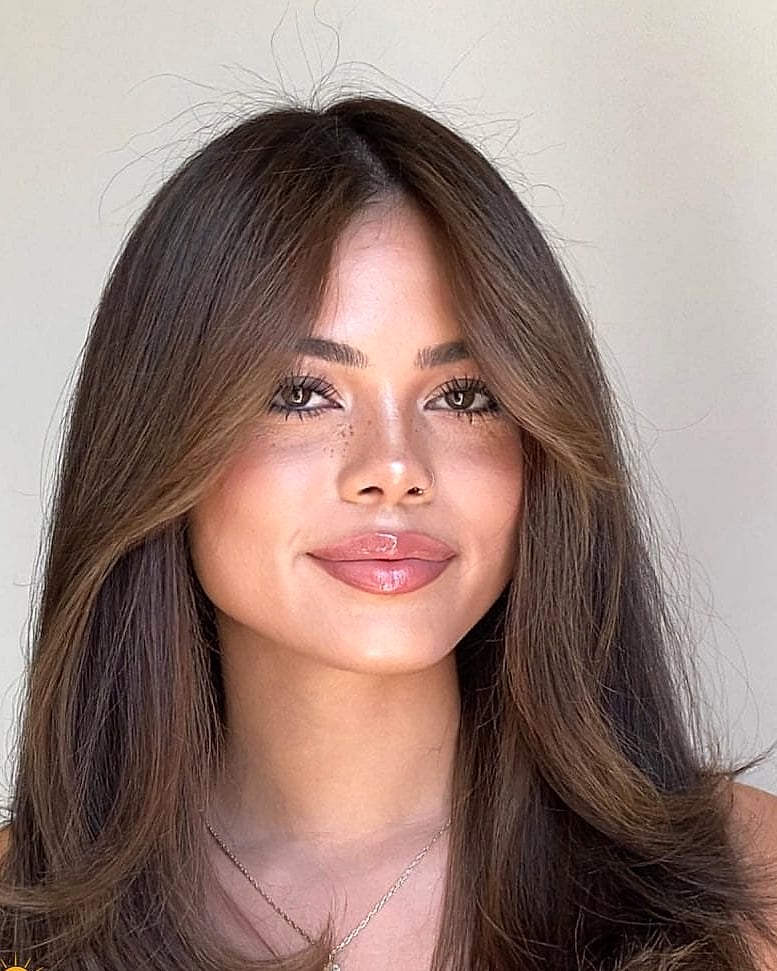
This one takes the blunt look and softens it just enough. Long layers cut around the face create movement without sacrificing length, and they’re especially good if your hair tends to look heavy or “helmet-like” when it’s all one length.
Face-framing layers suit oval, oblong, and square faces particularly well, since the shorter pieces near the cheeks add gentle dimension. Styling-wise, a light wave with a curling iron on just those front pieces makes a noticeable difference, though it looks just as good straight. Maintenance sits in the moderate range — the layers need occasional shaping to stay balanced.
Center-Parted Sleek Straight Style
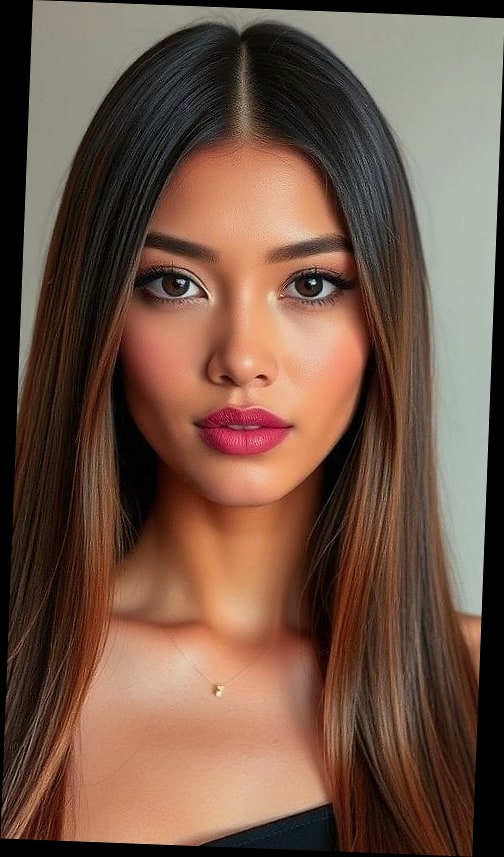
Sometimes the simplest change makes the biggest impact. A middle part on straight long hair creates a symmetrical, model-off-duty look that feels effortless but photographs beautifully. It tends to elongate rounder faces and adds a bit of balance to those with wider foreheads.
The appeal here is honestly the low effort-to-payoff ratio. You don’t need a fresh cut to try this — just reposition your part and smooth things out with a straightener or serum. If your hair has any natural texture, a lightweight straightening balm keeps flyaways down without weighing the hair down.
Straight Hair with Money Piece Highlights
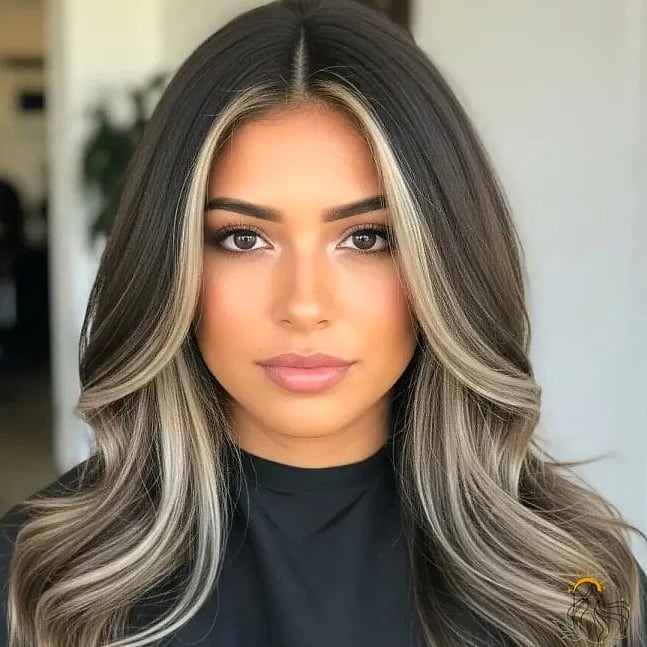
Pure straight hair can sometimes look a little flat in photos, and that’s where color comes in. Money piece highlights — those brighter face-framing strands near the front — add contrast and brightness right where people look first: your face.
This works on darker base colors especially well, since the contrast is more visible. It suits pretty much any face shape and adds a subtle glow without committing to an all-over color change. Upkeep depends on how far you go from your natural shade, but for most people, touch-ups every three to four months keep it looking fresh.
Glass Hair Finish
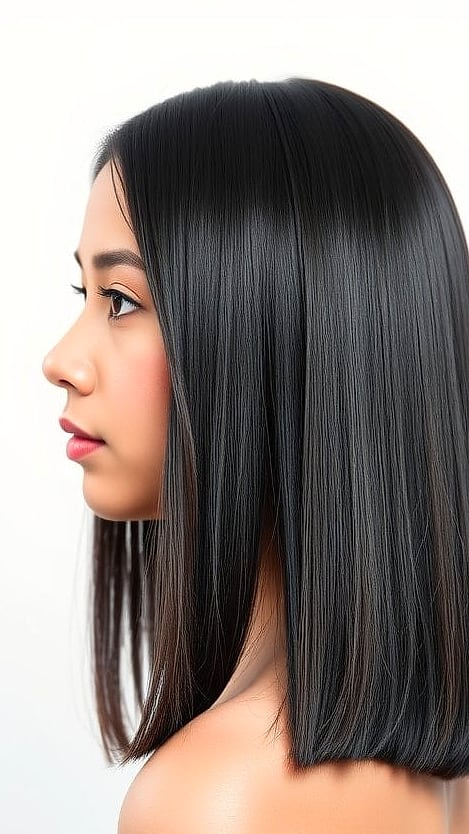
You’ve probably seen this term floating around — “glass hair” refers to straight hair styled to look almost liquid, with zero frizz and maximum shine. It’s less about the cut and more about the finish, though it does look best on hair with minimal layering so the light bounces evenly.
This is a great option for anyone with naturally shiny, healthy hair who wants to show it off, or for coarser hair textures looking for a smoother alternative to typical straightening. A silicone-free shine serum and a straightener with ceramic plates are the real MVPs here. It’s a bit more upkeep than other styles since frizz-prone climates can undo the effect quickly.
Straight Long Layers with Subtle Feathering
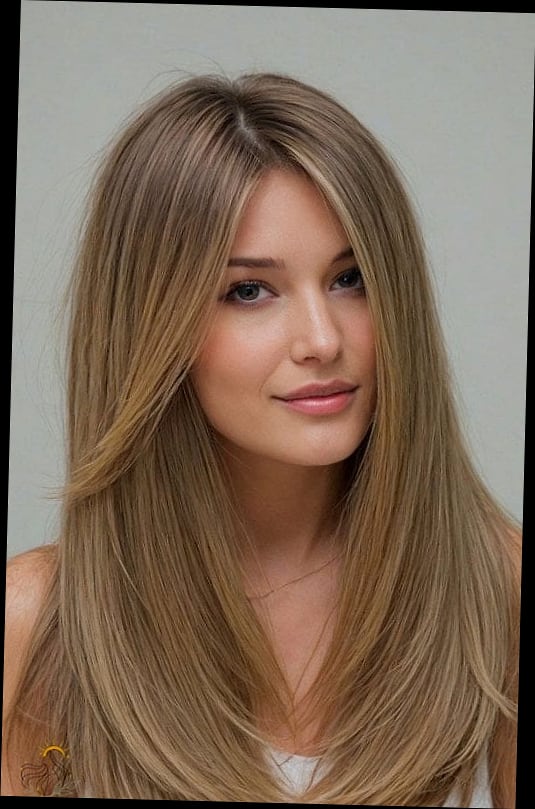
This is a step up from face-framing layers — feathered layers run throughout the length, not just around the face, giving the whole style a slightly bouncier, less severe look than a one-length cut. It’s a favorite for anyone who wants movement without going full layered shag.
Feathered layers flatter almost every face shape, but they’re particularly nice on longer, narrower faces since they add width and softness. Styling is simple: a round brush blowout brings out the feathering, though it holds up fine air-dried too. Maintenance is moderate, with trims recommended every two to three months to keep the layers from blending into one shapeless mass.
Straight Hair with a Deep Side Part
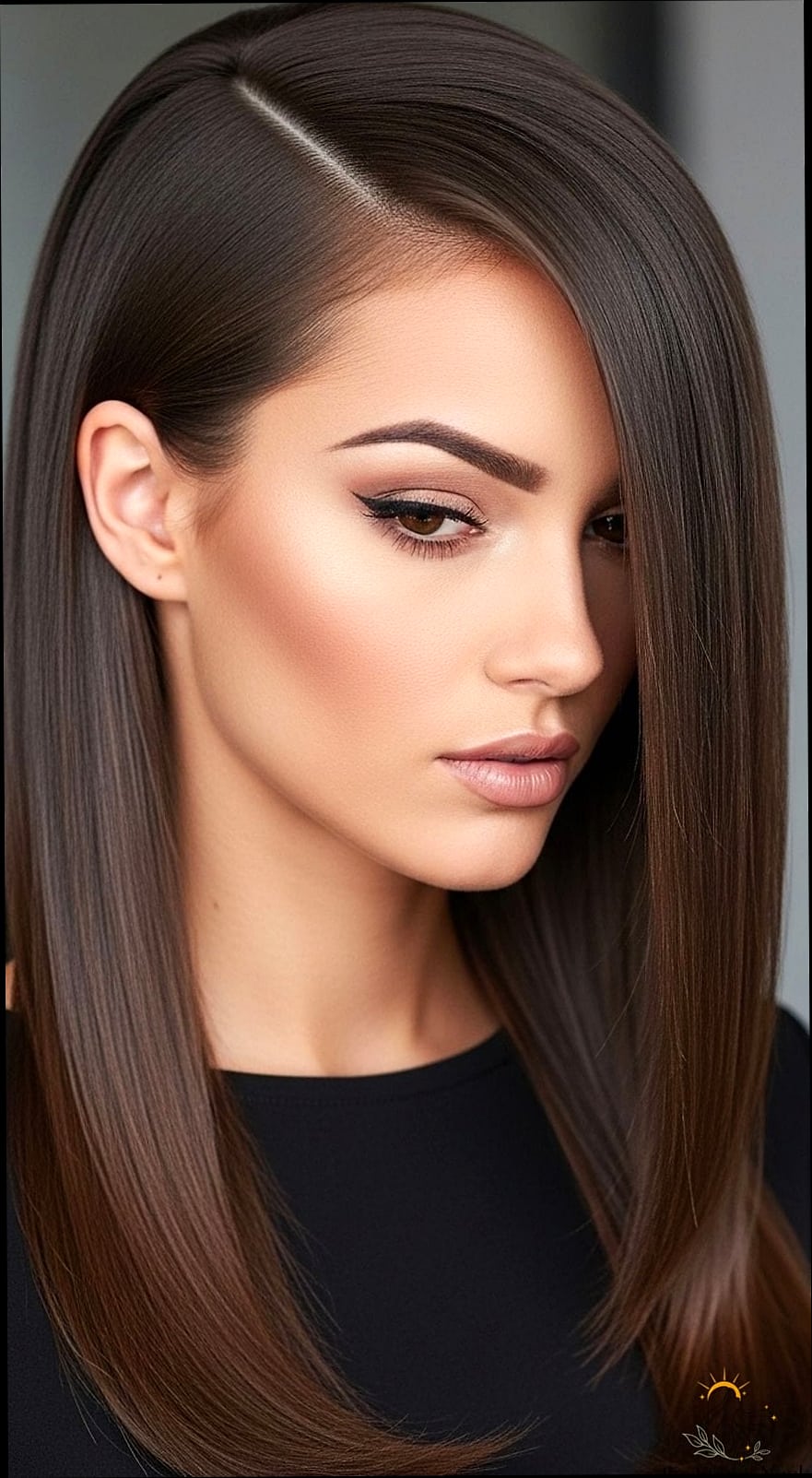
A deep side part changes the whole geometry of your face, and it’s an easy switch if you’re bored with your usual style but not ready for a cut. It creates volume on one side and a sleeker line on the other, which is especially flattering for asymmetrical face shapes or anyone wanting to soften a strong jawline.
The style pairs naturally with straight hair since there’s no bulk to fight when redirecting the part. A little dry shampoo at the root on the fuller side helps hold the volume through the day. This is about as low-commitment as hairstyle changes get — no scissors required.
Straight Ponytail
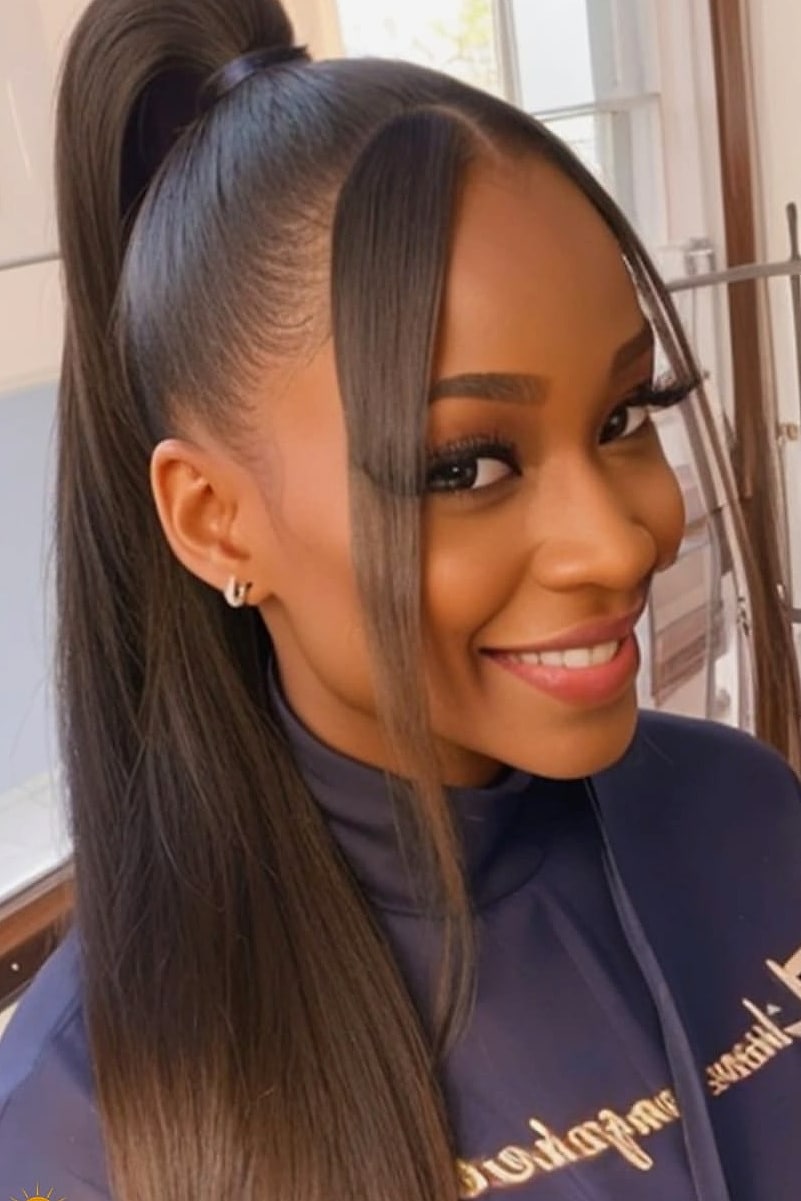
Don’t underestimate a well-done ponytail. A sleek, high straight pony with a wrapped piece of hair covering the elastic looks polished enough for work and put-together enough for a night out. It’s one of those looks that feels a little more elevated than it actually is to achieve.
This suits people with medium to thick hair best, since thinner ponytails can look sparse without some backcombing at the crown for volume. It’s virtually no-maintenance in terms of cut — any length works — and it’s a great option on second or third-day hair when your roots need a break from washing.
Straight Hair with Balayage Ends
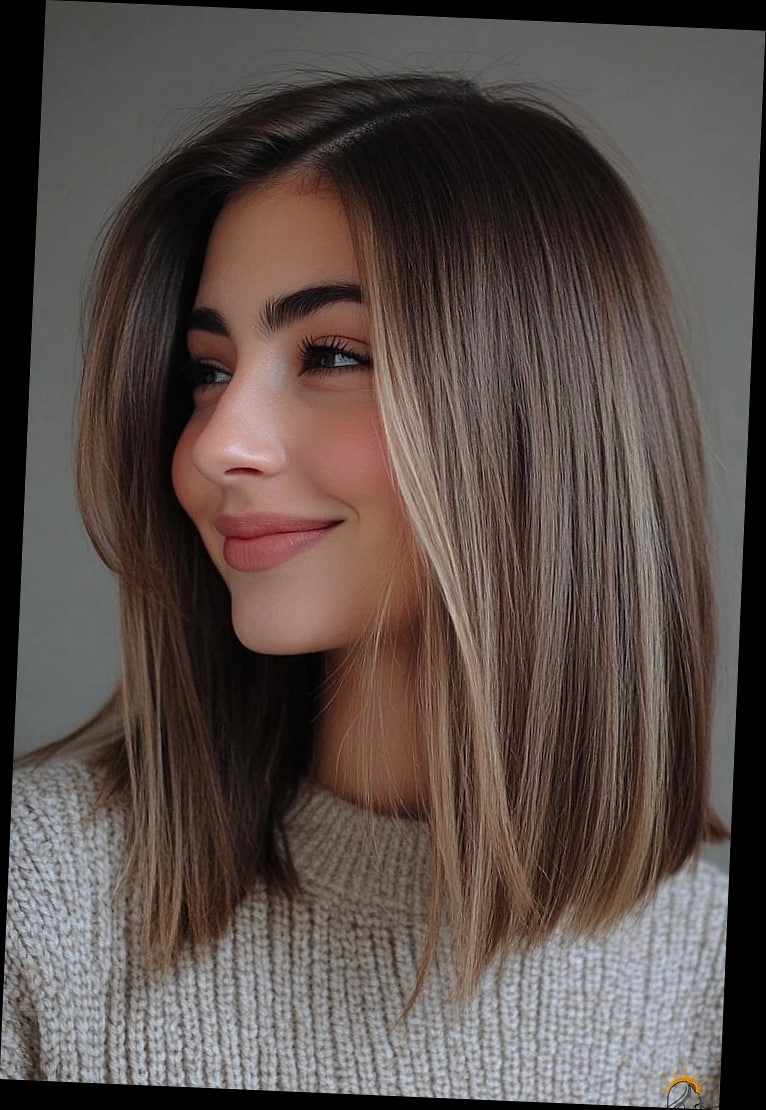
Balayage on straight hair creates a soft gradient effect, lighter toward the ends and blending naturally from the roots. Unlike traditional highlights, it’s hand-painted, so the color feels more organic and less like defined stripes running through your hair.
This is a great match for straight hair because the smooth surface shows off the gradual color transition really clearly — there’s no texture disrupting the blend. It works on most face shapes and hair colors, though it looks especially good on brunettes wanting warmth without a full color change. Touch-ups are fairly infrequent, every three to five months, since balayage grows out more gracefully than traditional color.
Straight Half-Up Half-Down Style
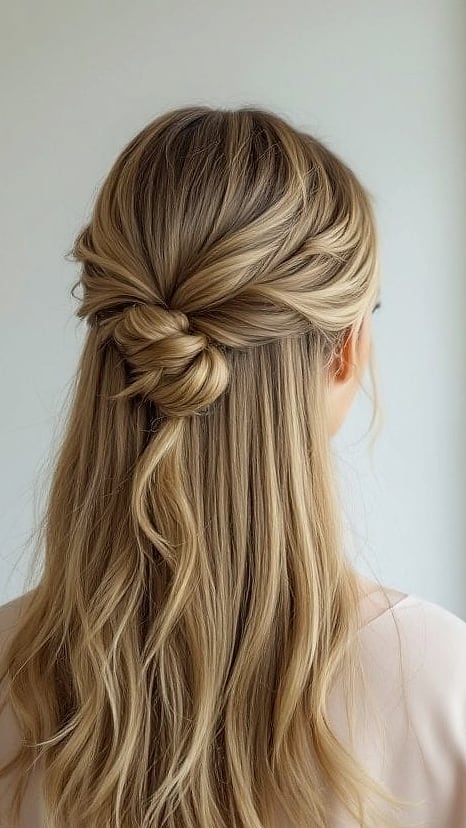
This one’s a practical favorite — it keeps hair off your face while still showing off the length. On straight hair, the top section pulls back cleanly without the bumps or frizz you’d get with wavy or curly textures, so it looks neat with minimal effort.
It flatters basically every face shape since you can adjust how much hair you pull back depending on what you want to highlight or soften. A small claw clip or a few bobby pins is all it takes, and it works equally well on freshly washed hair or day-two hair with a little texture spray.
Straight Hair with Wispy Bangs
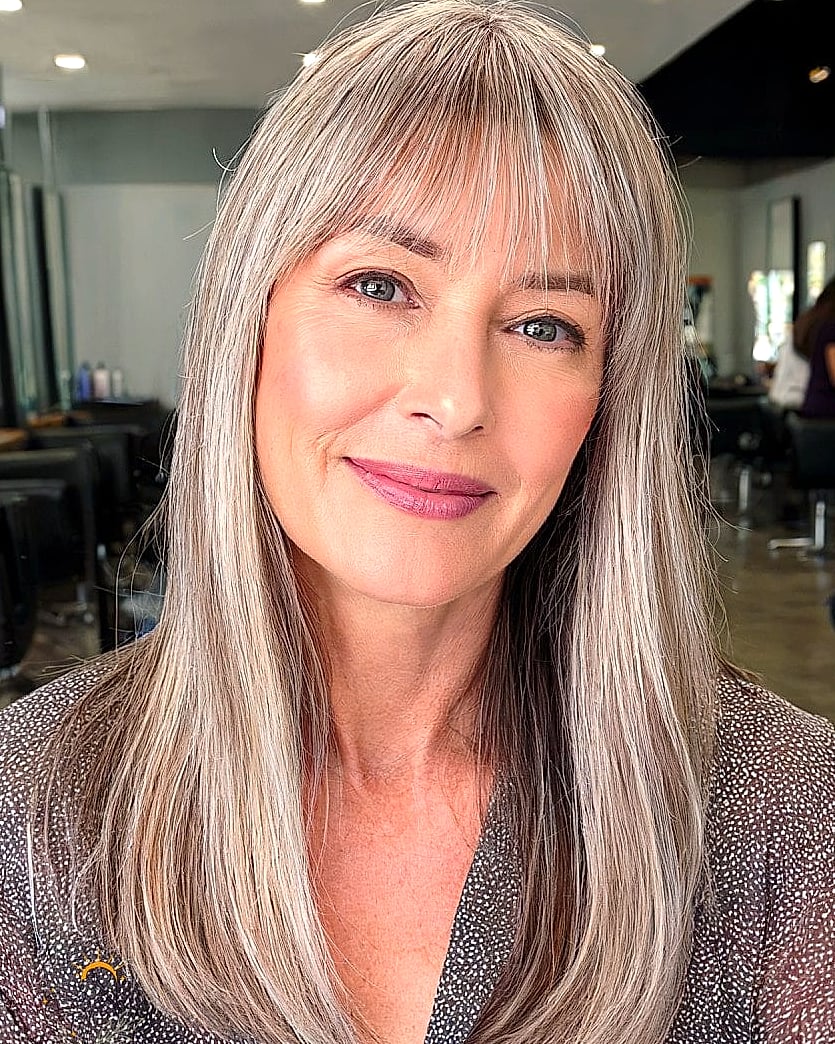
Wispy bangs are thinner and more piece-y than a full fringe, which makes them a gentler entry point if you’ve never had bangs before. They sit lighter on the forehead and blend into the rest of your straight hair rather than standing apart from it.
This style is particularly nice for people with narrower foreheads or oval faces, since a fuller fringe can sometimes overwhelm smaller features. Styling takes maybe an extra thirty seconds with a small round brush. Maintenance is on the higher side compared to other cuts on this list — expect trims every three to four weeks to keep them from growing into your eyes.
Straight V-Cut Ends
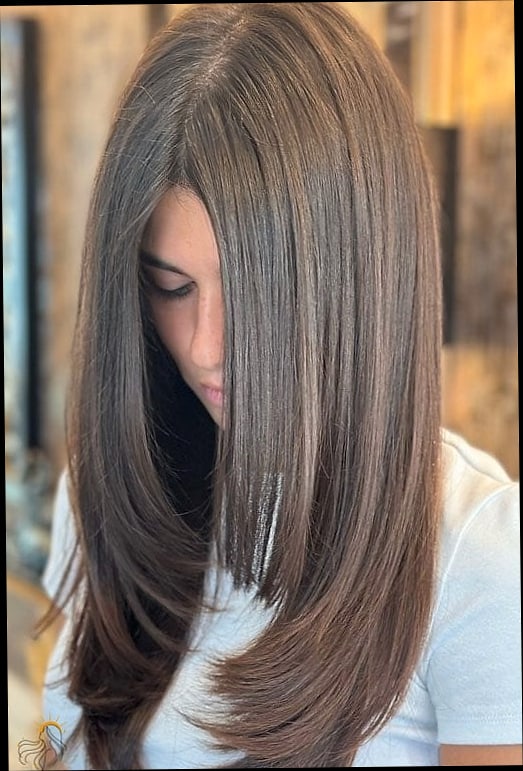
Instead of a straight-across blunt line, a V-cut tapers the ends into a soft point at the center back. It’s a nice middle ground between a blunt cut and heavily layered ends, keeping most of the length and thickness while adding just enough shape to avoid looking flat.
This cut works especially well on hair that’s grown out past the shoulders, since the V shape helps define the ends without sacrificing overall length. It’s fairly low maintenance stylistically, though like any precision cut, it holds its shape best with trims every couple of months. Straight hair shows this silhouette off clearly, since there’s no wave pattern disguising the line.
Straight long hair gives you a lot to work with, and honestly, most of these styles are more about the finishing details — the part, the ends, a few strategic layers — than a total overhaul. Bring one or two of these to your next appointment, describe what you’re going for, and let your stylist fill in the technical details. That’s really the fastest way to walk out with something you’ll actually want to recreate at home.