13 Cute Easy Hairstyles For Short Hair to Transform Your Look Instantly
- Very Short Bob with Nape Undercut on Blonde Hair
- Soft Wavy Bob Style
- Curtain Bangs
- Are short layered haircuts low-maintenance?
- Gray Short Inverted Bob for Thinner Hair
- Textured Short Inverted Bob with Defined Curls
- Feathered Cut
- Straight Short Bob with Bangs
- Short Inverted Bob with Sandy Blonde Tones
- Point Cutting
- Exploring Short Haircut Variations with Curtain Bangs
- Blunt Bangs
- Bob Cut with Stacked Back for Short Fine Hair
Architected 13-hairstyle listicle structure with markdown formatting compliance
13 Cute Easy Hairstyles For Short Hair to Transform Your Look Instantly
Short hair gets a bad reputation for being limiting, but honestly? It’s one of the most versatile lengths out there. Once you chop off the extra length, you open up a world of texture, movement, and personality that’s hard to get with long locks. Whether you’re already rocking a crop or thinking about taking the leap, these thirteen styles will give you plenty of inspiration for your next salon visit or your next lazy Sunday styling session.
Very Short Bob with Nape Undercut on Blonde Hair
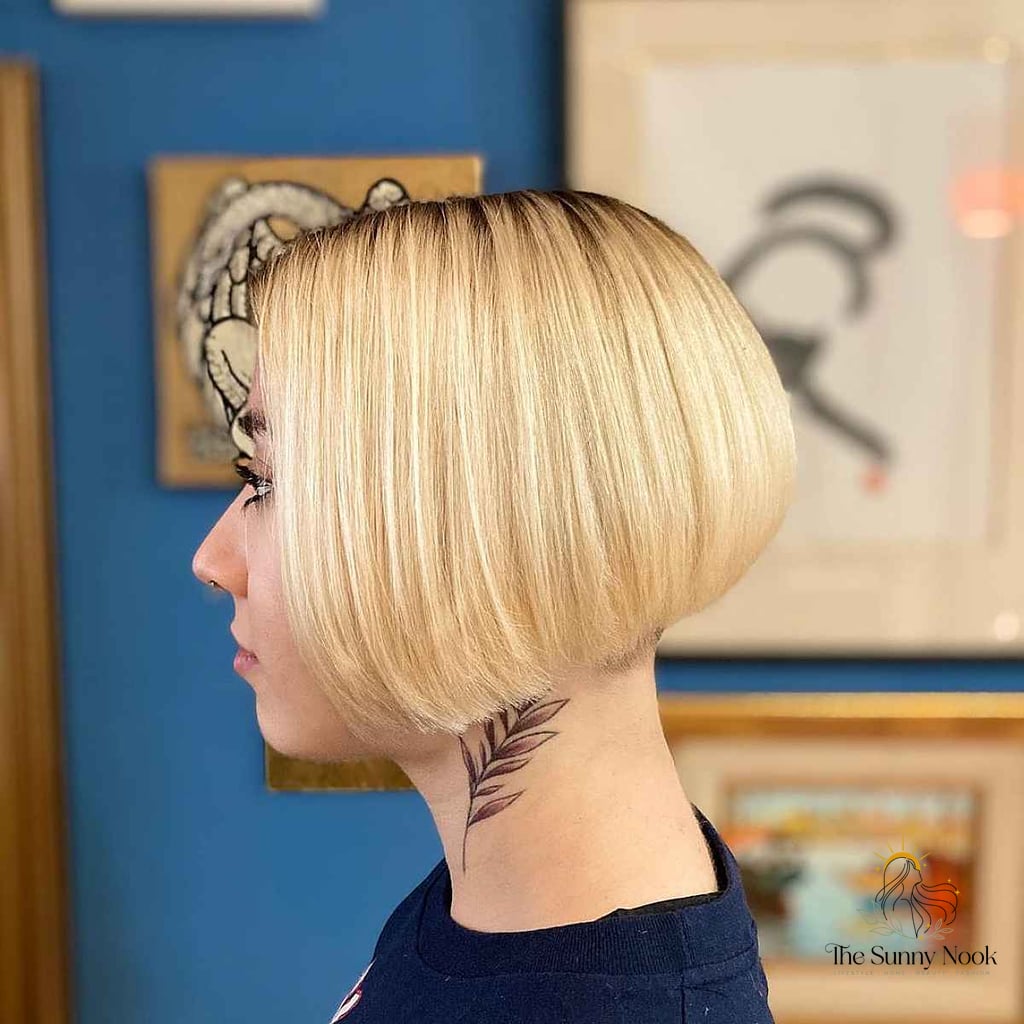
This one’s for anyone who wants to make a statement. The very short bob sits right around the jaw or slightly above it, and the nape undercut adds an unexpected edge underneath that peeks out when you tuck your hair behind your ears. On blonde hair, the contrast between the longer top layers and the buzzed nape looks especially striking.
It suits people with oval or heart-shaped faces best, since the blunt line draws attention to the cheekbones. Fine to medium hair textures work beautifully here because the shorter length naturally creates the illusion of thickness. Styling is simple too — a little texturizing spray and you’re basically done, though you’ll want to keep up with trims every four to six weeks to maintain that crisp undercut.
Soft Wavy Bob Style
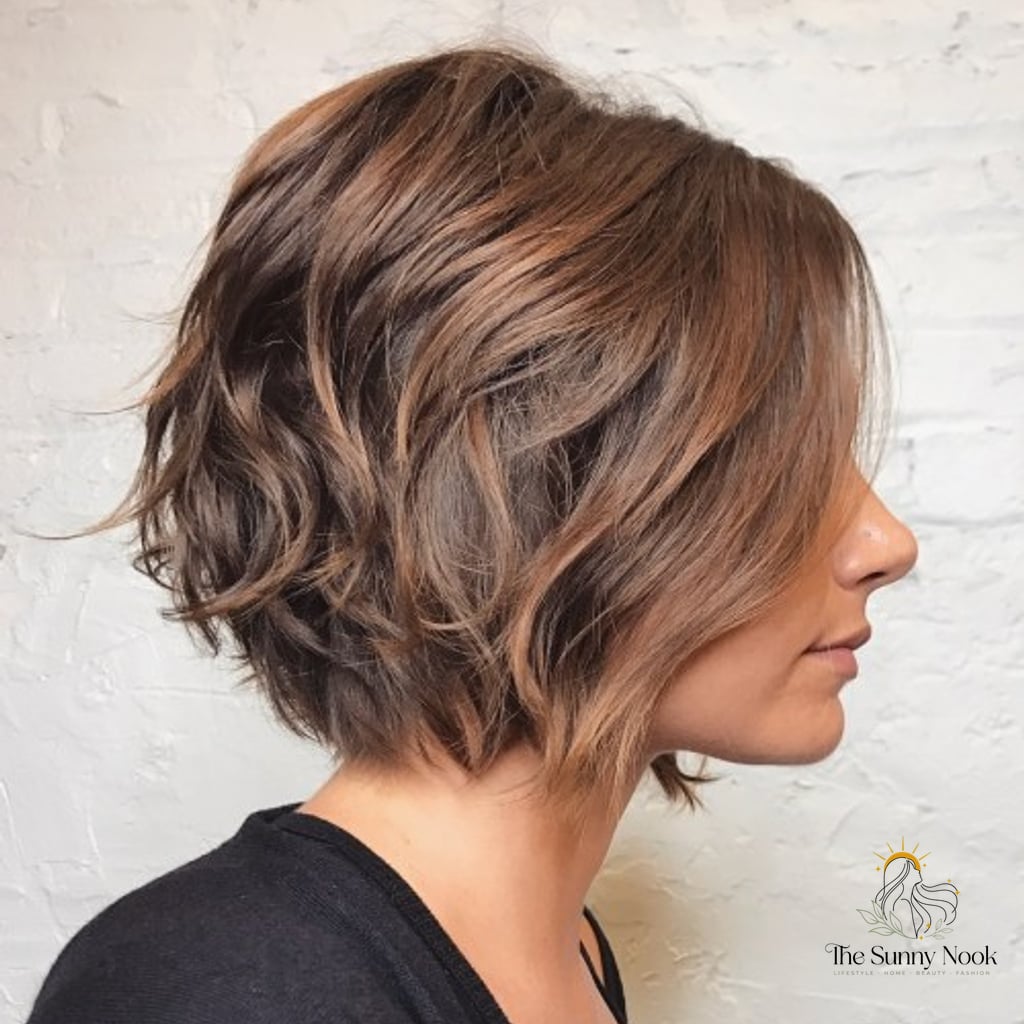
There’s something about a wavy bob that just feels effortless, even when you’ve actually put some work into it. This style uses loose, beachy waves throughout a chin-to-shoulder length bob, giving it movement without looking overly done.
Wavy and curly hair textures take to this cut naturally, since the hair’s own pattern does a lot of the work. Straight-haired folks can recreate the look with a curling wand or a salt spray for texture. It’s a great option for round or square faces because the waves add softness around the jawline. Maintenance-wise, this is fairly low-key — just regular trims to keep split ends at bay and a leave-in conditioner to keep those waves looking healthy rather than frizzy.
Curtain Bangs
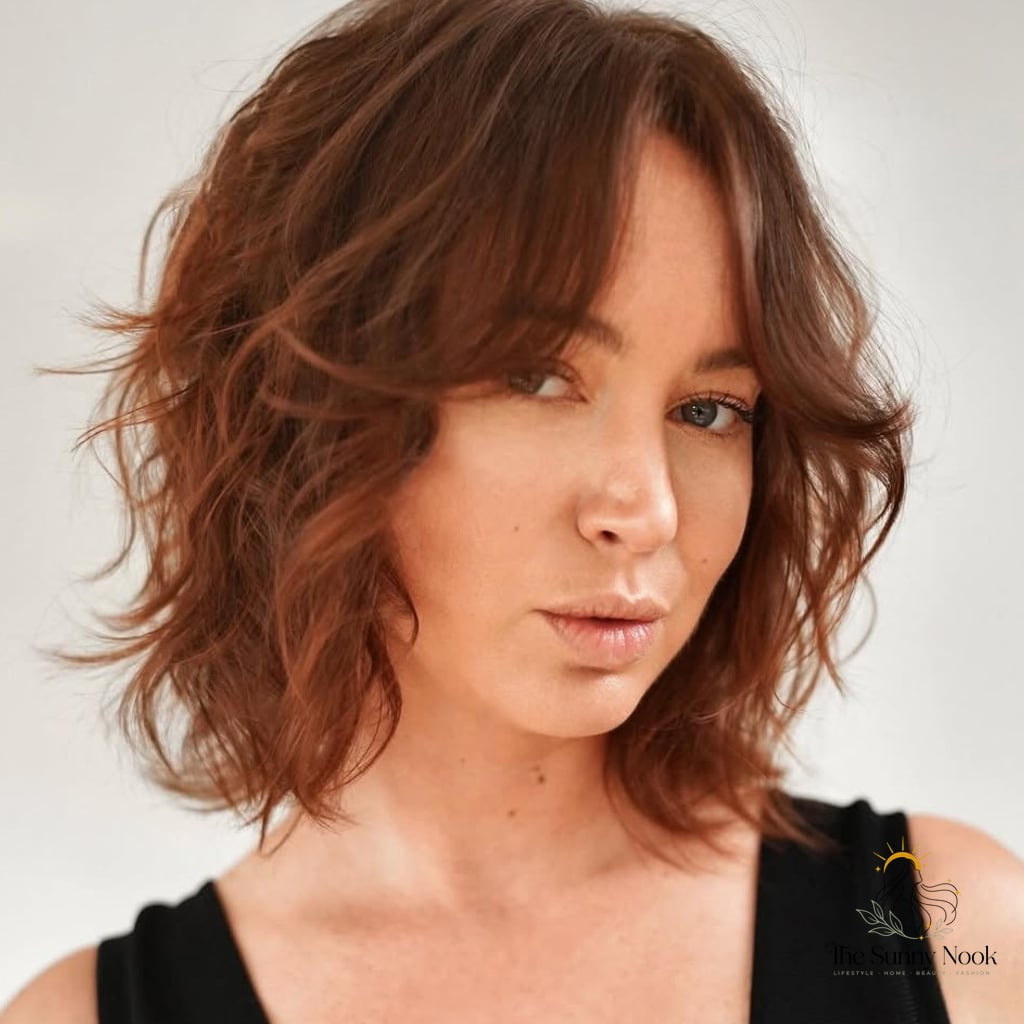
Curtain bangs have stuck around for a reason. They part down the middle and sweep to either side, framing the face instead of covering it, which makes them way more forgiving than a full fringe.
Almost every face shape benefits from curtain bangs, but they’re particularly flattering on longer or square faces since they soften strong angles. They work with straight, wavy, or curly textures, though curly-haired people might want to have them cut slightly longer to account for shrinkage. Styling only takes a round brush and a blow dryer, or you can let them air dry with a bit of curl cream for a more relaxed finish. Touch-ups every six to eight weeks keep them from growing out and losing their shape.
Are short layered haircuts low-maintenance?
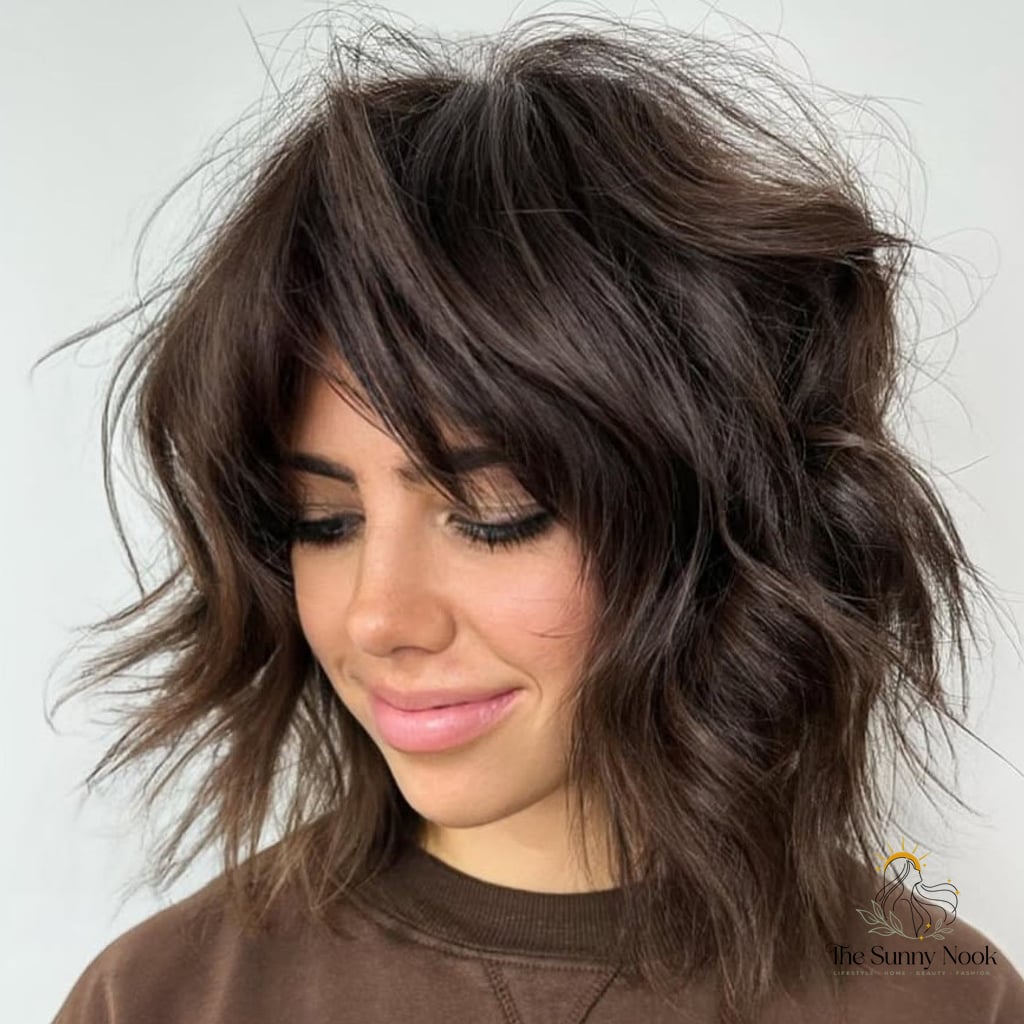
This is one of the most common questions people ask before committing to a shorter cut, and the honest answer is: it depends on the layers. Short layered cuts with soft, blended layers tend to be pretty easygoing since they grow out gracefully and don’t require constant reshaping.
That said, if your layers are heavily textured or include an undercut, you’ll need more frequent salon visits to keep the shape sharp. Fine hair types generally have an easier time with layered short cuts because there’s less bulk to manage day to day. A good rule of thumb: the more precise the cut, the more upkeep it needs, so ask your stylist for a style that matches how often you’re realistically willing to visit the salon.
Gray Short Inverted Bob for Thinner Hair
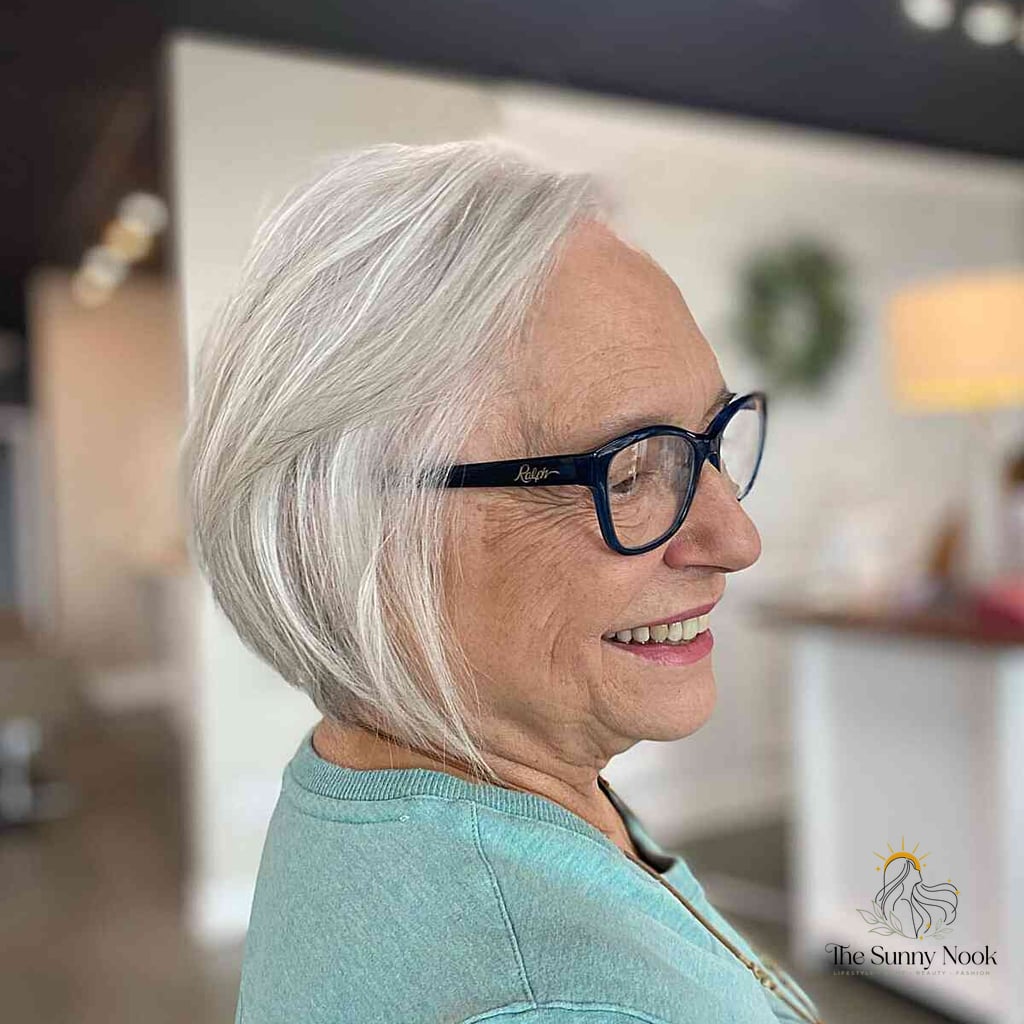
Gray hair has had a serious glow-up in recent years, and pairing it with an inverted bob is a genuinely smart move for thinner hair. The inverted shape — shorter in the back, longer in the front — adds visual volume right where thinning hair tends to look flattest.
This cut works well for mature hair textures and suits most face shapes, especially those with rounder features since the angles add definition. A volumizing mousse applied at the roots and a diffuser on low heat will help maximize fullness. Since gray hair can sometimes feel coarser or drier, regular deep conditioning treatments are worth adding to your routine alongside standard trims every six weeks or so.
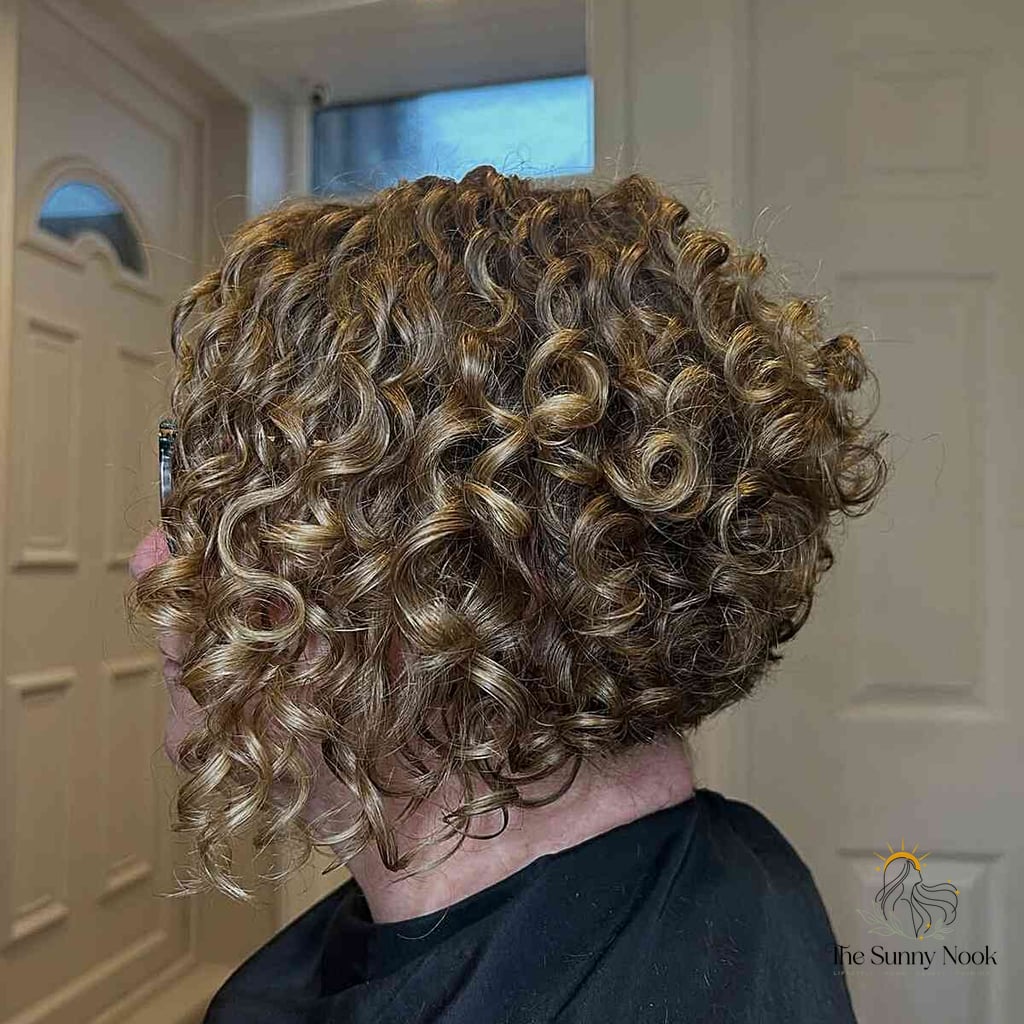
Textured Short Inverted Bob with Defined Curls
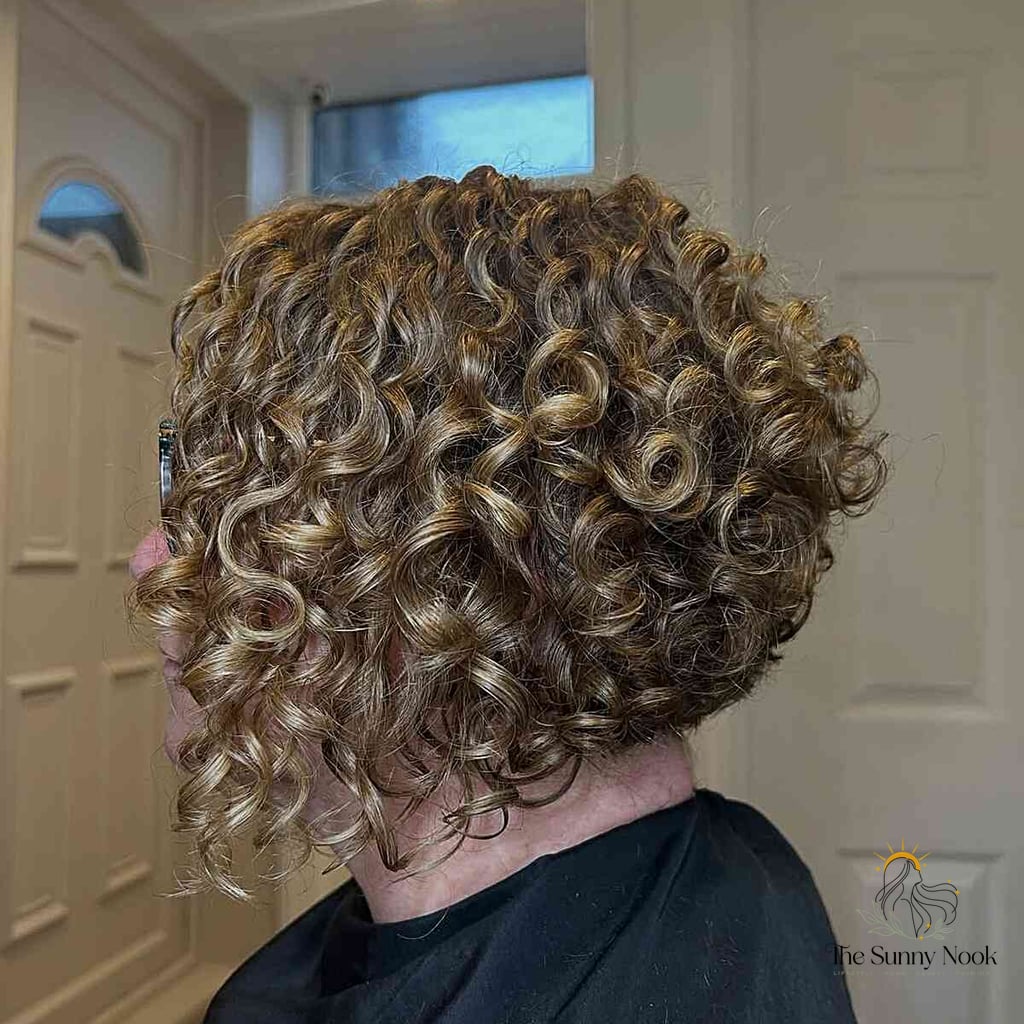
If you’ve got natural curls, this variation on the inverted bob lets them shine. The cut is shaped so the curls stack and layer on top of each other, creating fullness and definition rather than a flat, uniform shape.
Curly and coily textures are the obvious fit here, and it looks fantastic on any face shape since curls naturally soften angles. A curl-defining cream applied to soaking wet hair, followed by air drying or diffusing, brings out the best in this style. Curly cuts do need a specialist who understands how to cut curl by curl, so it’s worth seeking out a curly hair expert for this one, and expect to visit every eight to ten weeks since curls hide growth better than straight styles.
Feathered Cut
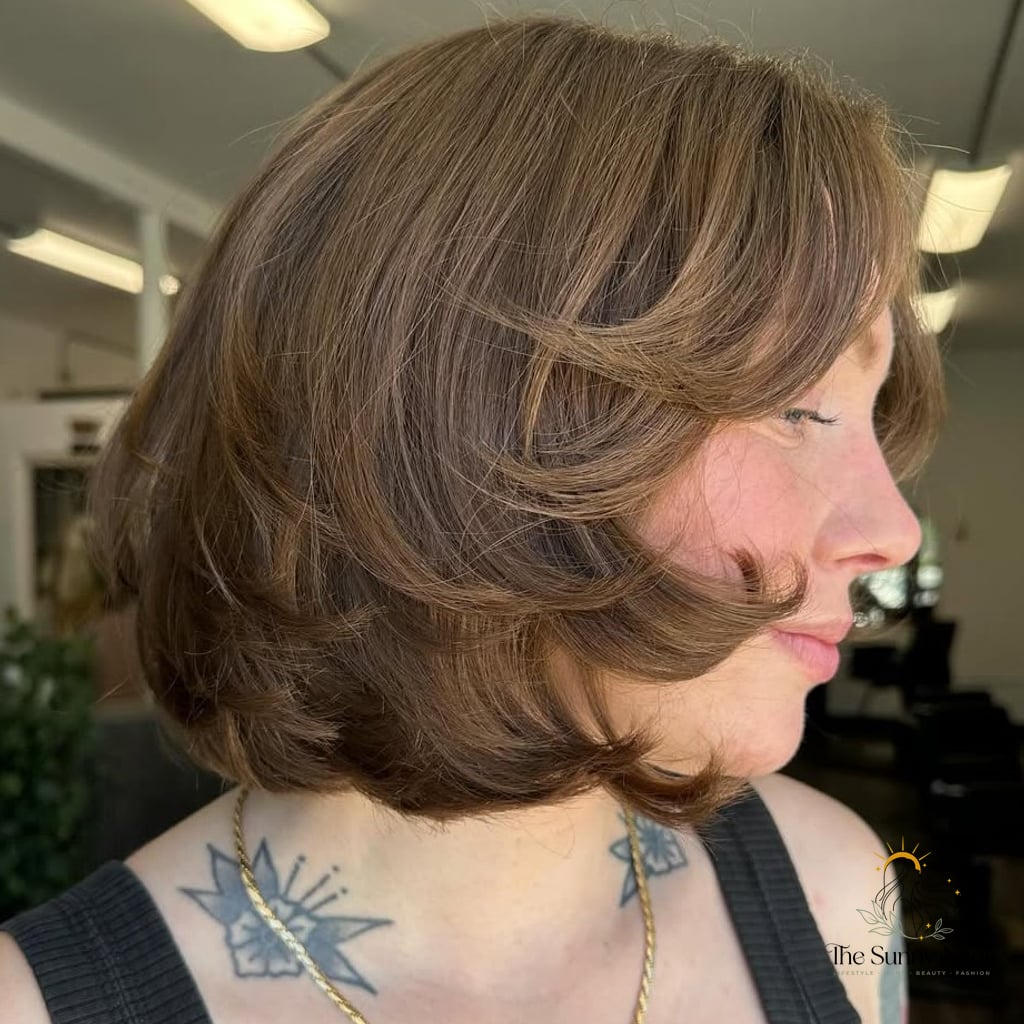
The feathered cut brings a bit of nostalgia with a modern twist. Layers are cut to flick outward or upward at the ends, giving the hair a wispy, airy quality that photographs beautifully.
This style is particularly kind to those with fine or medium hair since the feathering technique adds the appearance of volume and dimension. Oval and heart-shaped faces suit it especially well. To style, a round brush paired with a blow dryer set on medium heat will help train the ends to flip outward, and a light-hold hairspray keeps the movement without weighing it down. It’s a moderate maintenance style, needing trims roughly every six weeks to preserve that feathered shape.
Straight Short Bob with Bangs
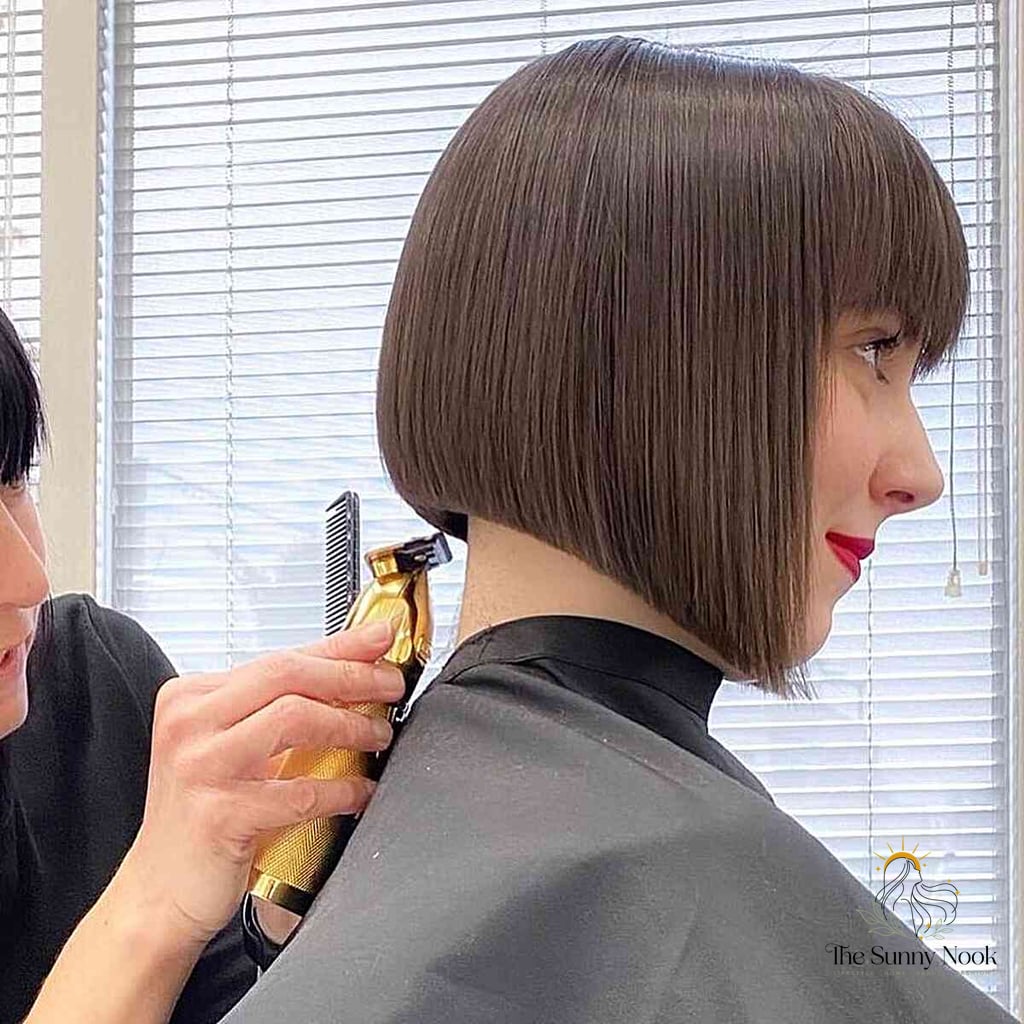
Sometimes simple really is best. A straight, sleek bob paired with full bangs creates a clean, polished look that never really goes out of style. The blunt ends and straight-across bangs give this cut a graphic, almost geometric quality.
Naturally straight hair suits this style effortlessly, while wavy hair can be flat-ironed for the same sleek finish. It looks particularly sharp on oval and long face shapes, where the bangs help balance the proportions. A flat iron and a smoothing serum are really all you need for daily styling. Because the lines are so precise, expect to visit the salon every four to five weeks to keep both the bob and the bangs looking crisp.
Short Inverted Bob with Sandy Blonde Tones
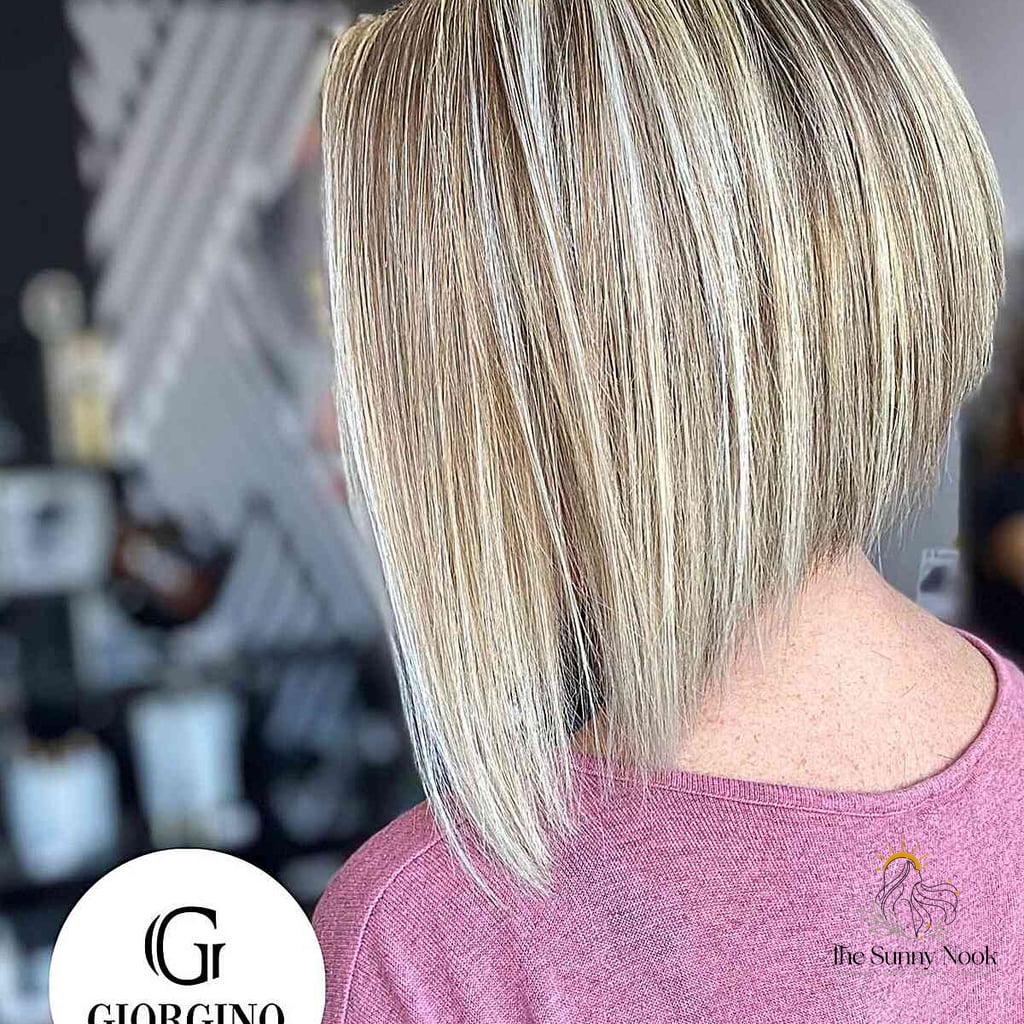
Sandy blonde brings warmth without going too bright or brassy, and it pairs really nicely with the structure of an inverted bob. The color adds dimension through subtle lowlights and highlights woven through the shorter back and longer front sections.
This combination flatters warm and neutral skin tones especially well, and it works across most hair textures, from straight to loosely wavy. Regular use of a purple or blue toning shampoo helps keep brassiness in check between salon visits. Since color fades faster than a simple cut grows out, plan on root touch-ups every six to eight weeks alongside your usual trims.
Point Cutting
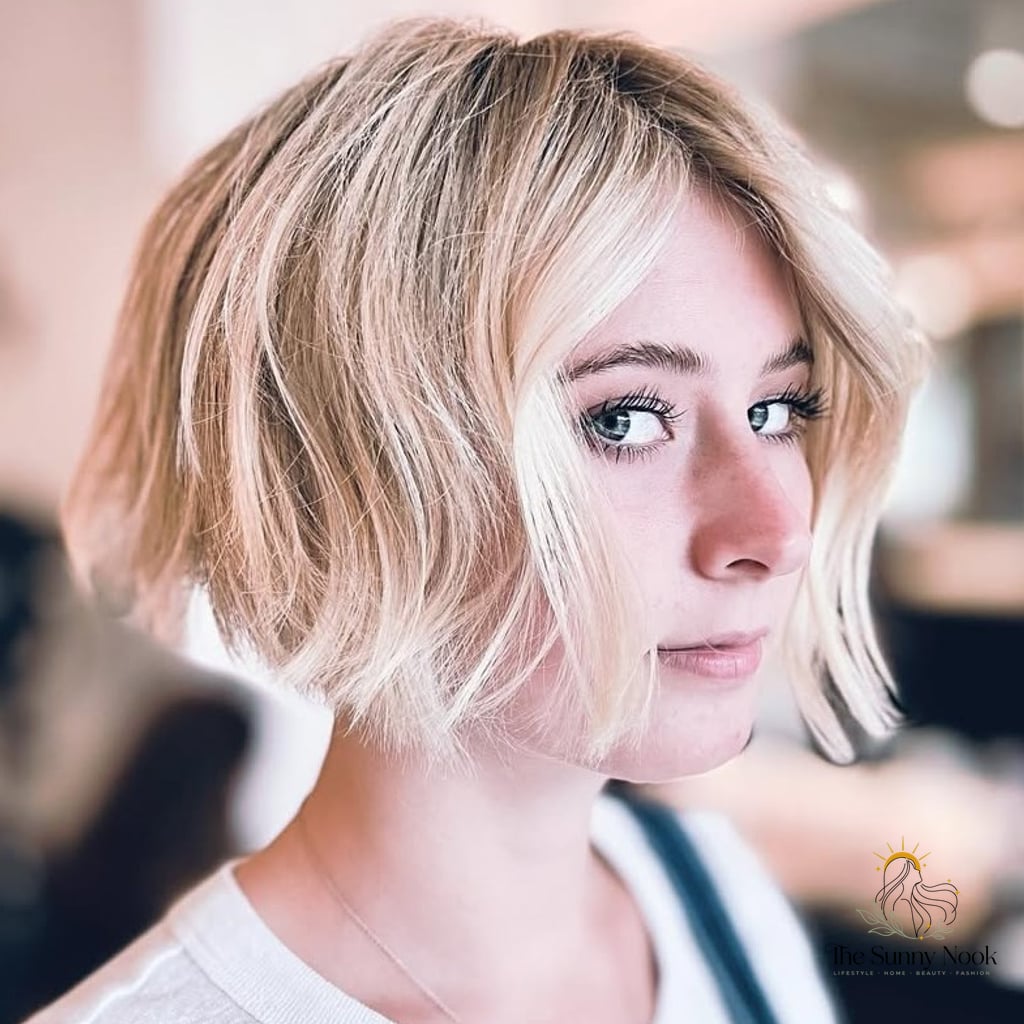
Point cutting isn’t a hairstyle exactly, it’s a technique, but it’s worth knowing about because it shows up in so many short cuts. Stylists use scissors at an angle into the ends of the hair to create soft, textured tips instead of one harsh blunt line.
This technique works wonders on thick hair by removing bulk without shortening the overall length, and it adds a wispy, natural texture to fine hair too. It’s often used on bobs, pixies, and lobs to soften the finish. There’s no special styling required beyond your normal routine, though a texturizing paste can enhance the piece-y effect the technique creates.
Exploring Short Haircut Variations with Curtain Bangs
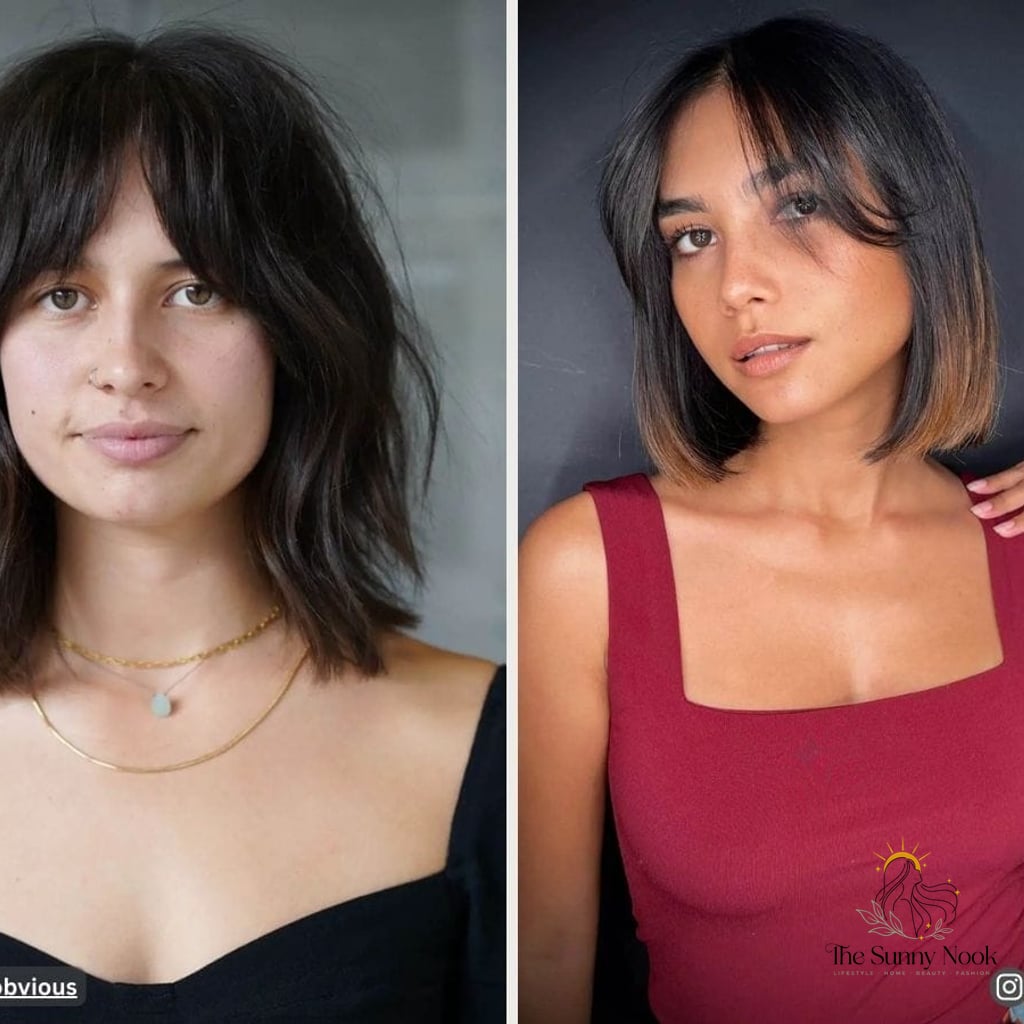
Curtain bangs aren’t just for one type of cut, they play nicely with almost any short style. Paired with a pixie, they soften the overall silhouette. Combined with a bob, they add extra face-framing detail. Even with a shaggy crop, they bring balance to all that layered texture.
This flexibility makes curtain bangs a smart choice if you’re not totally sure which direction to go but know you want something face-framing. They suit nearly every texture and face shape, and stylists can adjust the length and thickness of the bangs to complement whatever base cut you choose. Regular trims every six to eight weeks keep them from falling into your eyes.
Blunt Bangs
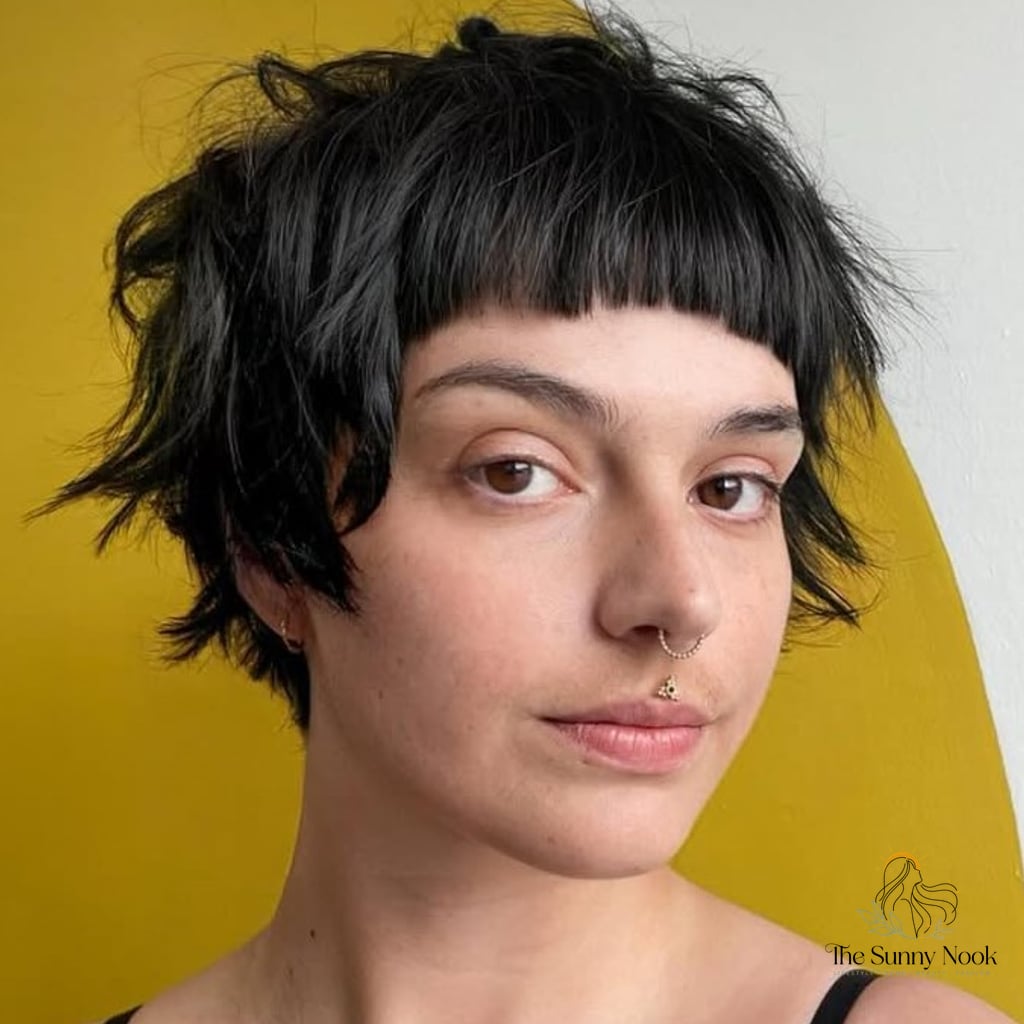
Blunt bangs are the bolder cousin of curtain bangs, cut straight across just above the eyebrows for a strong, graphic statement. They pair especially well with sleek, straight short cuts, though they can work with wavier textures too if styled with a bit of product to control frizz.
Oval and heart-shaped faces tend to suit blunt bangs the most, since the straight line balances a narrower chin or forehead. Straight hair textures make styling easiest, just a blow dryer and round brush to keep them flat and even. Because any unevenness is really noticeable with this style, plan on trims every three to four weeks to keep the line sharp.
Bob Cut with Stacked Back for Short Fine Hair
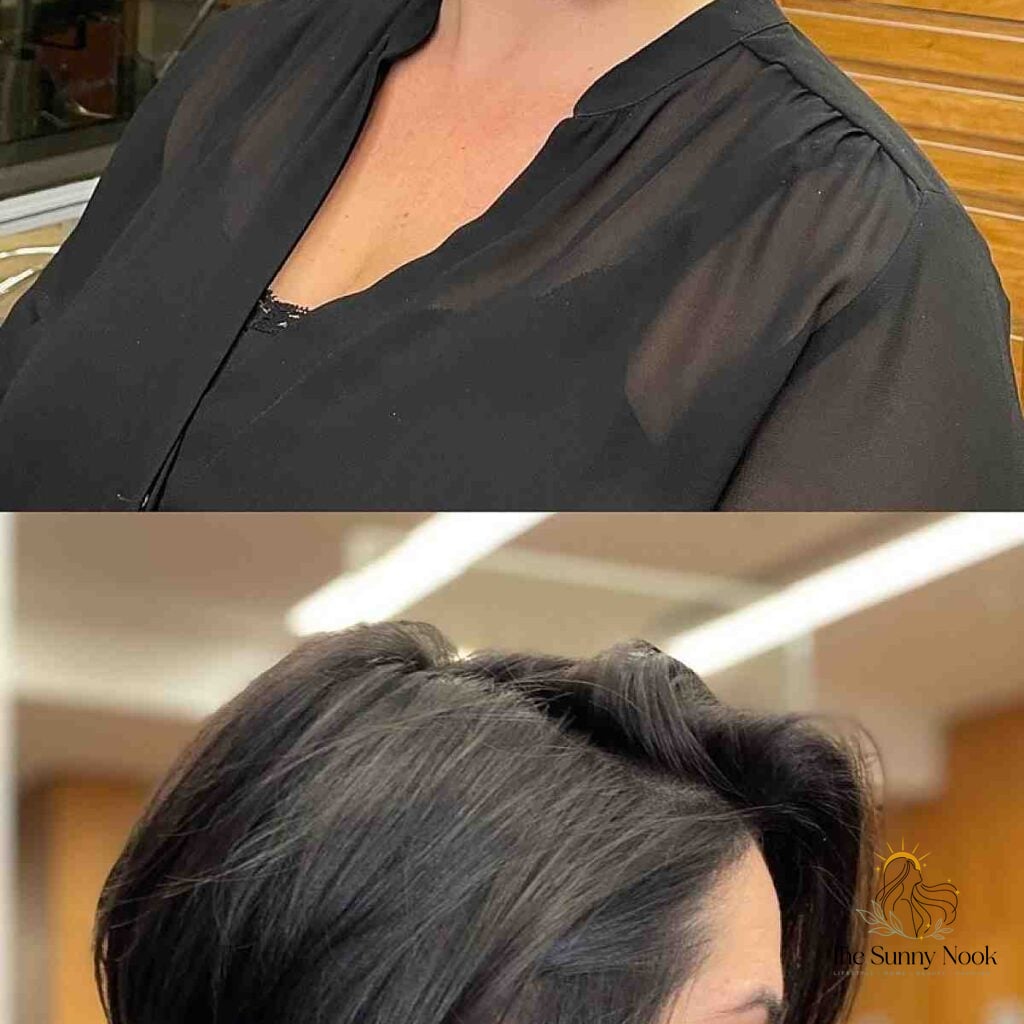
Fine hair often struggles to hold volume, which is exactly why the stacked bob exists. The back is cut with layers that stack on top of one another, building height and fullness right at the crown and nape where fine hair tends to fall flat.
This cut suits round and oval faces nicely and works best on straight to slightly wavy fine hair. A root-lifting spray applied before blow-drying upside down will maximize the stacked effect. It’s a relatively easy style to maintain day to day, though the precise layering means salon visits every six weeks or so to keep the stack looking intentional rather than grown out.
Short hair really does offer more options than people give it credit for, from soft waves to sharp blunt lines to face-framing bangs in every variation imaginable. The best approach is to bring a few of these ideas to your stylist, be honest about how much time you want to spend styling in the morning, and let your hair’s natural texture guide the final decision. Any one of these thirteen styles is a solid starting point for your next cut.